

Affiliate disclosure: As an Amazon Associate, TalkAboutCoffee earns from qualifying purchases. Our picks are based on editorial judgment, not commission rates.
Coffee has exactly two ways to taste wrong, and almost every bad cup is one of them. Either you pulled too much out of the grounds, which gives you bitter and harsh, or you did not pull enough, which gives you sour and thin. That is extraction, and once you can tell the two apart by taste, fixing them takes about thirty seconds.
What extraction actually means
When hot water hits coffee grounds it dissolves the soluble compounds, and it does not take them all at once. The order is fairly consistent: acids and fruity notes come out first, then sugars and the balanced middle, then the bitter compounds and drying tannins last.
Good coffee is a matter of stopping in the middle. Take too little and you get the front end only, all acid and no body. Take too much and you drag the bitter tail into the cup. Think of tea. Whip the bag out after ten seconds and you have coloured water; leave it for ten minutes and it turns astringent. Coffee behaves the same way with more variables attached.
Over-extracted: bitter, harsh, drying
Over-extracted coffee tastes bitter and a bit burnt, and it leaves your mouth feeling dry and rough, the way a strong black tea does. It often feels heavy and lingers unpleasantly. A lot of people assume this is simply what “strong” coffee tastes like, which is why they keep making it.
The usual causes: grind too fine, water too hot, brew time too long, or too much agitation. Any of these gives the water more access to the grounds than it needs.
How to fix it:
- Grind coarser. The single most effective change. Coarser grounds have less surface area, so extraction slows down.
- Drop the water temperature to the 195 to 205 F range (90 to 96 C). Water straight off a rolling boil is too hot. Take the kettle off and wait 30 seconds.
- Shorten the brew. Four minutes is the ceiling for a French press, not a suggestion. Pour it out the moment it is done rather than leaving it sitting on the grounds.
- Stop stirring so much. Agitation speeds extraction. One gentle stir at the bloom is enough.
If your drip machine takes noticeably longer than usual to finish, that is a clue: the grind has choked the flow and the water is spending too long in contact with the bed.
Under-extracted: sour, thin, salty
Under-extracted coffee is sour rather than bitter, and the distinction matters. It tastes sharp and acidic, sometimes faintly salty, and it feels thin and watery in the mouth. It often has no finish at all. People frequently describe it as “weak,” but weak and under-extracted are not the same thing: you can have a strong-tasting cup that is still under-extracted, and a mild one that is extracted perfectly.
The usual causes: grind too coarse, water not hot enough, brew time too short, or not enough coffee for the water.
How to fix it:
- Grind finer. More surface area, faster extraction.
- Get the water hot enough. Below about 195 F you cannot extract properly no matter how long you brew. This is the single most common flaw in cheap drip machines, and it is not something you can fix with technique.
- Brew longer, or slow the pour if you are doing pour-over.
- Wet all the grounds. Channelling, where water finds a fast path through the bed and skips the rest, produces a cup that is simultaneously over and under extracted. A proper bloom and an even pour fix it.
Telling the two apart
People mix these up constantly, and fixing the wrong one makes it worse. Use this:
- Sour, sharp, thin, no finish means under-extracted. Grind finer, hotter water, longer brew.
- Bitter, harsh, drying, lingering means over-extracted. Grind coarser, cooler water, shorter brew.
- Both at once, sour and bitter together, usually means uneven extraction. That is channelling or a very inconsistent grind, and the answer is a better grinder or a more careful pour rather than a change in time or temperature.
Change one thing at a time
This is where most people undo their own progress. If you grind finer, raise the temperature, and extend the brew all in one go, and the cup improves, you have learned nothing about which change did it. And if it gets worse, you cannot tell which one to undo.
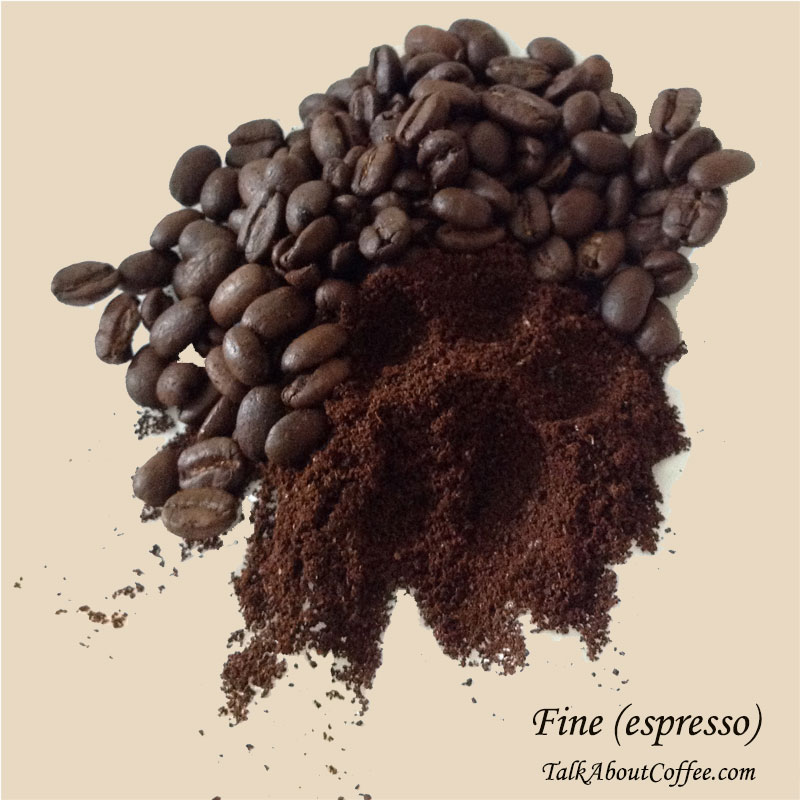
Adjust a single variable, brew, taste, then decide. Grind size first, because it has the largest effect. Temperature second. Time third. Coffee-to-water ratio is worth settling once and then leaving alone; around 1:15 by weight, roughly 30 g of coffee to 450 ml of water, is a sensible starting point for most methods.
Why the grinder matters more than the machine
One uncomfortable truth: if your grinder produces wildly different particle sizes, you cannot fix extraction with technique. The fine particles over-extract while the coarse ones under-extract, in the same brew, and you get that sour-and-bitter-together cup no adjustment resolves.
Blade grinders chop rather than grind, so they always produce that mixture. A burr grinder produces a consistent particle size, which is the whole point. It does more for your coffee than an equivalent upgrade to the brewer would, and we cover the options in our guide to coffee and espresso grinders.
The other invisible variable is freshness. Coffee more than a few weeks past roast extracts differently and tastes flat regardless of what you do, which is why our coffee storage guide is worth five minutes.
Frequently asked questions
Is my coffee sour or bitter?
Sour is sharp and puckering at the front of the tongue, like under-ripe fruit or lemon, and the cup feels thin. Bitter is harsh and drying, sits at the back of the mouth, and lingers. Sour means under-extracted, so grind finer. Bitter means over-extracted, so grind coarser.
What water temperature should I use?
Between 195 and 205 F, which is 90 to 96 C. Boiling water at 212 F scorches the grounds and over-extracts. If you do not have a thermometer, boil the kettle and wait about 30 seconds before pouring.
Why is my coffee weak and watery?
Usually either too little coffee for the water, or under-extraction from a coarse grind or cool water. Check the ratio first, around 1:15 by weight, and if that is right, grind finer or get the water hotter.
Can coffee be over and under extracted at the same time?
Yes, and it is more common than people think. Uneven grind size or channelling means some particles give up too much while others give up too little. The cup tastes sour and bitter at once. No amount of adjusting time or temperature fixes it; you need a more consistent grind and an even pour.
Which setting should I change first?
Grind size, every time. It has the biggest effect on extraction, and changing it alone tells you clearly whether you were going in the right direction. Only move to temperature and time once the grind is close.
Discussion