
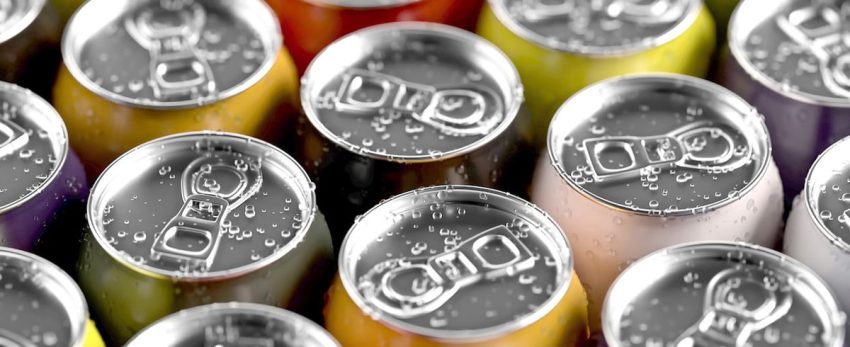
I’ll be honest – for years I wrote off canned coffee as gas station vending machine stuff. The kind that tastes like someone dissolved a coffee-flavored candy in water and then added enough sugar to preserve a mummy. But here’s the thing: the canned coffee market has quietly become a completely different product category over the last five or six years. Specialty roasters now sell cold brew in cans. Nitrogen-infused lattes sit next to energy drinks in convenience stores. The RTD (ready-to-drink) coffee segment is worth over $30 billion globally, and it’s growing faster than the coffee shop market. Some of it is genuinely good. Some of it is still terrible. And most of it contains ingredients you’d never guess from the front of the can.
What’s actually in the can
Pick up a can of ready-to-drink coffee and flip it around. The ingredient list usually falls into one of three categories:
The short list: brewed coffee (or cold brew coffee), water. That’s it. Brands like Black Rifle, Chameleon, and some Stumptown cans keep it this simple for their black coffee options. No sugar, no milk, no stabilizers. These typically have 150 to 300 mg of caffeine per can, roughly 1.5 to 3 cups of home-brewed drip.
The medium list: brewed coffee, milk or oat milk, cane sugar. Maybe a touch of natural flavor. Brands like La Colombe and Califia Farms land here for their latte-style drinks. Reasonable ingredients, visible sugar (usually 10 to 18 grams per can), and something that actually tastes like a coffee drink rather than coffee-flavored milk.
The long list: water, sugar, milk protein concentrate, coffee extract, dipotassium phosphate, cellulose gel, sodium hexametaphosphate, carrageenan, sucralose, acesulfame potassium. That’s a real label from a major brand. At this point you’re drinking an engineered beverage that contains some coffee, not a coffee drink that contains some additions.
The sugar situation
This is where most canned coffee falls apart for people who care about what they’re drinking. A typical sweetened RTD coffee contains 25 to 40 grams of sugar per can. For context, a Snickers bar has 20 grams. That Starbucks Frappuccino in the glass bottle? 45 grams in 13.7 oz (405 ml). You’re drinking more sugar than you’d get from a candy bar.
The unsweetened options exist, and they’re getting easier to find. Black cold brew cans have zero sugar, zero calories, and usually list just two ingredients. They’re also the ones that taste most like actual coffee, because they are actual coffee. If you’re buying canned coffee and sugar is a concern, read the Nutrition Facts panel on the back, not the marketing on the front. “Lightly sweetened” and “hint of” can still mean 15 to 20 grams.
“Cold brew” vs. “iced coffee” vs. “cold coffee” – what the label means
These are not the same thing, and the labeling is often deliberately vague.
Cold brew means the coffee was brewed with cold or room-temperature water over an extended period, usually 12 to 24 hours. This produces a smoother, less acidic concentrate. When you see “cold brew” on a can, it should mean the coffee inside was actually cold-brewed. Most reputable brands honor this distinction.
Iced coffee is just hot-brewed coffee that’s been chilled. It’s cheaper and faster to produce. Some brands sell this in cans without distinguishing it from cold brew, which is borderline misleading but not technically illegal.
“Coffee beverage” or “coffee drink” is a regulatory hedge. It usually means the product contains coffee extract or coffee flavoring rather than brewed coffee. If the front says “coffee” but the ingredients don’t list brewed coffee near the top, be skeptical.
Shelf-stable vs. refrigerated: why it matters
Canned RTD coffee comes in two formats, and the distinction affects taste more than most people realize.
Shelf-stable cans have been heat-treated (retort processing or ultra-high-temperature pasteurization) to kill bacteria without refrigeration. This extends shelf life to 6 to 12 months but can cook off some of the volatile flavor compounds that make fresh coffee taste alive. The heat processing is why some shelf-stable cans taste flat or “cooked” compared to the refrigerated versions from the same brand.
Refrigerated cans and bottles skip the aggressive heat treatment and rely on cold chain distribution instead. They taste fresher because they are fresher – less heat damage to the flavor compounds. But they have a shorter shelf life (usually 60 to 90 days) and cost more because cold shipping is expensive. La Colombe’s Draft Latte and Stumptown’s cold brew cans are refrigerated products. If the store has them in a cooler, that’s by design, not just for serving temperature.
Nitro cans: what the widget actually does
Some canned cold brews are infused with nitrogen, and they come with a small plastic widget at the bottom of the can (similar to what Guinness uses). When you open the can, the pressure change activates the widget and releases nitrogen gas into the coffee, creating a thick, creamy cascade and a foamy head.
The nitrogen doesn’t add flavor. What it does is change the mouthfeel – it makes the coffee feel thicker and smoother without adding milk or sugar. La Colombe’s Draft Latte pioneered this format, and several brands have followed. It’s a neat trick if you like the texture, but it doesn’t make the coffee itself better or worse. The underlying coffee quality still depends on the beans and brew method. If the coffee behind the nitrogen is mediocre, you get mediocre coffee with a nice head on it.
What to look for (and what to skip)
If you want something that actually tastes like coffee: look for cans where brewed coffee or cold brew coffee is the first ingredient. Check the sugar – anything under 10 grams per serving is reasonable for a sweetened drink, zero is better. Avoid cans that list “coffee extract” or “natural coffee flavor” as the primary coffee source, because that’s concentrate stretched with water and additives.
If caffeine content matters to you, check the label carefully. RTD coffees range from 90 mg (roughly a weak cup) to over 300 mg (roughly three cups) per can, and can size varies from 8 oz (240 ml) to 15 oz (440 ml). A high-caffeine 15 oz can at 300 mg hits different than a low-caffeine 8 oz at 90 mg, even though both say “coffee” on the front.
The brands doing it well right now tend to be the ones that started as roasters or coffee shops and moved into canned products, not the other way around. They have a reputation to protect and a customer base that actually cares what’s in the can. The legacy beverage-company entries, the ones with fifteen ingredients and a mascot, are usually the ones to skip.
Frequently asked questions
Is canned coffee bad for you?
Black canned cold brew with no added sugar is just coffee in a can – no worse for you than a home-brewed cup. Sweetened varieties with 25 to 40 grams of sugar per can are a different story, and the sugar content is the main health concern, not the format.
How much caffeine is in canned coffee?
It ranges widely, from about 90 mg to over 300 mg per can depending on the brand, brew method, and can size. Always check the label. A 15 oz (440 ml) cold brew concentrate can might have triple the caffeine of an 8 oz (240 ml) iced coffee.
Is cold brew in a can real cold brew?
Usually yes, if it says cold brew on the label. Reputable brands use actual cold-brewed coffee. Some cheaper brands use hot-brewed coffee that’s been chilled or coffee extract, sometimes without clearly distinguishing it. Check the ingredient list for “brewed coffee” or “cold brew coffee” near the top.
Why does shelf-stable canned coffee taste different from refrigerated?
Shelf-stable cans are heat-treated to extend shelf life, which can cook off some of the volatile compounds that give fresh coffee its flavor. Refrigerated cans skip the heavy heat processing and taste fresher, but they have a shorter shelf life and cost more.
What’s the healthiest canned coffee?
Black, unsweetened cold brew with no additives. The ingredient list should just say brewed coffee or cold brew coffee and water. Zero sugar, zero calories, and the same caffeine you’d get from regular coffee.
Discussion