
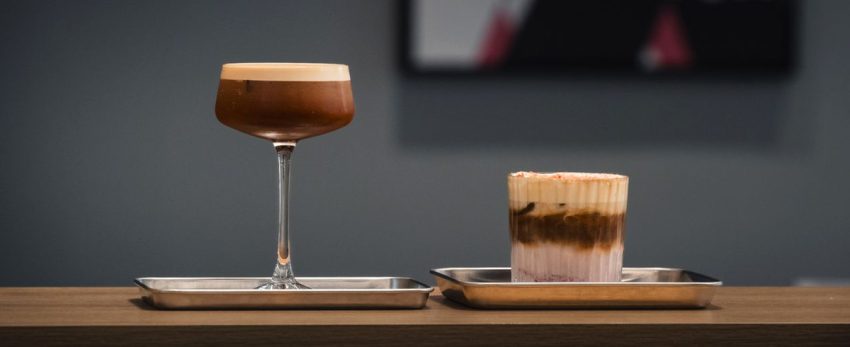
Walk into any cocktail bar in any city right now and there’s a solid chance the table next to you has at least one espresso martini on it. The drink has had a full resurrection. After nearly three decades as a bartender’s insider pick that most menus didn’t bother listing, it became the most-ordered cocktail in the US and UK almost overnight during the early 2020s. TikTok helped. So did the brunch-to-cocktail-hour pipeline. But the drink itself is older than most of the people ordering it.
The real origin story
The espresso martini was invented by Dick Bradsell, a London bartender, sometime around 1983 at the Soho Brasserie on Old Compton Street. The story, which Bradsell told many times before his death in 2016, goes like this: a young woman (variously described as a model, or simply a customer who’d had a long day) walked up to the bar and asked for something that would “wake me up, then mess me up.” Bradsell had a coffee machine right next to his station. He pulled a shot of espresso, shook it with vodka, Kahlua, Tia Maria, and a splash of sugar syrup, and the drink was born.
He originally called it the Vodka Espresso and served it on the rocks. It wasn’t until later, when he moved to the Met Bar in the late 1990s, that the drink evolved into the “up” format served in a coupe or martini glass – which is how the “martini” part of the name stuck. The original drink and its final form are practically different cocktails, but the DNA is the same: espresso, vodka, coffee liqueur, something sweet.
The drink went quiet for about fifteen years after the Met Bar era. Bradsell kept making it. Other bartenders knew about it. But it never hit mainstream menus the way a mojito or an old fashioned did. Then, around 2021 and 2022, it came back everywhere and all at once. Instagram aesthetics helped – that thick foam and the three floating beans photograph well. The cocktail-at-home trend during the pandemic gave people permission to experiment. And specialty coffee’s explosion meant more people understood what good espresso tasted like and wanted it in their drinks.
Why most espresso martinis taste like milkshakes
The problem with the espresso martini’s popularity is that it’s now being made by people and places that don’t actually understand what it’s supposed to taste like. A good espresso martini is bittersweet, strong, and dry enough that you’d never confuse it for dessert. A bad one tastes like coffee ice cream in liquid form – cloyingly sweet, no bite, the espresso completely drowned.
There are three common reasons this happens:
Too much sugar. Many bar recipes double or triple the sugar syrup because sweet drinks move faster and generate fewer complaints. The original recipe used a bare splash of simple syrup – just enough to soften the espresso’s bitterness, not enough to make it sweet.
Bad espresso. A properly pulled shot of espresso has bitter and sweet notes that balance the cocktail. When bars use cold, pre-pulled espresso or, worse, coffee concentrate from a pump bottle, those flavor complexities disappear and you’re left with generic “coffee flavor” that needs sugar to compensate.
Too much liqueur. Kahlua is already sweet. If you’re using a full ounce (30 ml) of Kahlua plus simple syrup plus vodka plus espresso, the sugar load is enormous. The drink should lean on the espresso as the star, with the liqueur playing backup, not the other way around.
How to make one that isn’t a milkshake
This version stays close to what Bradsell’s later iterations looked like, adjusted for home execution where you probably don’t have both Kahlua and Tia Maria behind your counter.
Ingredients:
- 2 oz (60 ml) vodka – something clean and neutral, this is not the place for craft vodka with “character”
- 1 oz (30 ml) freshly pulled espresso, hot
- 0.5 oz (15 ml) coffee liqueur (Kahlua, Mr Black, or similar)
- 0.25 oz (7 ml) simple syrup – optional, taste first without it
- 3 espresso beans for garnish
Method:
Pull the espresso fresh. This matters more than any other step. Add the espresso, vodka, and coffee liqueur to a cocktail shaker filled with ice. Add the simple syrup only if your espresso is very bitter or your coffee liqueur isn’t sweet enough on its own. Shake hard for 10 to 15 seconds – you need that aggressive shake to create the crema-like foam on top, which is the drink’s signature. Strain into a chilled coupe or martini glass. Drop three espresso beans on the foam.
The foam matters. If your drink comes out flat and foamless, you either didn’t shake hard enough or your espresso wasn’t fresh enough. A just-pulled shot has natural oils and CO2 that create that thick tan foam when agitated with ice. Cold espresso that’s been sitting around loses those gases, and no amount of shaking will bring them back. Some bartenders double-strain through a fine mesh to get a cleaner foam layer, and that works, but it’s not essential for a home version.
Variations worth trying
Mr Black swap: Replace Kahlua with Mr Black coffee liqueur. Mr Black is less sweet and more intensely coffee-forward. If you use it, you can skip the simple syrup entirely. The drink tastes drier and more adult.
Salted version: A tiny pinch of flaky sea salt on the foam. Salt suppresses bitterness and amplifies sweetness, so you get a more complex drink with less sugar. Don’t overdo it – you want maybe 5 flakes of Maldon, not a pinch of table salt.
Rum base: Replace the vodka with aged rum. This pushes the drink into dessert territory intentionally, with the rum’s caramel and vanilla notes playing off the coffee. It’s technically no longer an espresso martini at that point, but it works.
No-espresso version: If you don’t have an espresso machine, use a Moka pot or an AeroPress pressed fine. The drink won’t be identical, but a strong, concentrated coffee works better than you’d expect. Moka pot instructions are here if you need them. What doesn’t work is drip coffee – it’s too dilute and won’t create foam. Instant espresso powder dissolved in a tablespoon of hot water is a last resort, but honestly, it’s a distant fourth option.
The three beans, since everyone asks
The traditional garnish is three espresso beans, said to represent health, wealth, and happiness. This is one of those cocktail origin stories that’s been repeated so many times it’s probably been backfilled. Bradsell never made a big deal about the three beans having symbolic meaning. They look good on the foam and give you something to chew on at the end of the drink. That’s likely the entire reason.
Frequently asked questions
Can you make an espresso martini without an espresso machine?
Yes. A Moka pot or AeroPress produces coffee strong enough to work. The foam won’t be as thick as with real espresso, but the drink still tastes good. Drip coffee is too dilute and won’t work.
What vodka is best for an espresso martini?
Something clean and neutral. The vodka is a vehicle for the espresso, not the star. A mid-range bottle like Absolut, Tito’s, or Ketel One works fine. Don’t waste a premium vodka here – you won’t taste the difference through the coffee.
Why is my espresso martini not foamy?
Two common reasons: the espresso wasn’t fresh (cold, pre-pulled espresso loses the CO2 that creates foam), or you didn’t shake hard enough. Use freshly pulled espresso and shake aggressively for at least 10 seconds.
Is an espresso martini a real martini?
Not really. It shares nothing with a classic martini except the glass shape. The name stuck because Dick Bradsell’s later version was served “up” in a martini glass. His original 1983 recipe was called the Vodka Espresso and served on the rocks.
Will an espresso martini keep you awake?
A single shot of espresso contains about 63 mg of caffeine. That’s less than a cup of drip coffee but enough to affect sleep if you’re sensitive to caffeine. The alcohol may make you feel sleepy initially, but caffeine and alcohol metabolize at different rates, and the caffeine will outlast the sedative effect.
Discussion