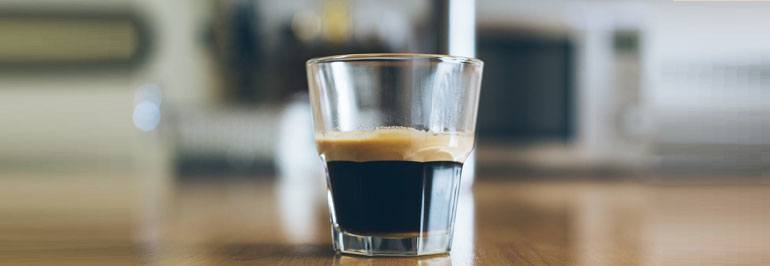
Espresso is not a bean. It is not a roast. It is a brewing method. You force hot water through finely ground coffee at high pressure for about 25 to 30 seconds, and you get a concentrated shot with a layer of crema on top. That is espresso. Everything else people argue about is detail.
What makes it espresso
Four things separate espresso from every other way of making coffee: pressure, grind size, time, and ratio. A proper espresso machine pushes water through the coffee puck at about 9 bars of pressure, which is roughly 130 PSI. The grind has to be very fine, almost powdery, so the water meets enough resistance to extract flavor in a short window. The whole process takes about 25 to 30 seconds for a double shot. The standard ratio is about 1:2, meaning 18 grams of ground coffee in and about 36 grams of liquid out. Change any one of those variables and the shot tastes different.
Espresso vs drip coffee
Drip coffee passes hot water through a bed of medium-ground coffee by gravity. No pressure, coarser grind, longer contact time, bigger volume. A standard 8-ounce cup of drip has about 95 mg of caffeine. A single shot of espresso has about 63 mg (USDA figures). But here is the thing: espresso is far more concentrated per ounce. One ounce of espresso has roughly twice the caffeine of one ounce of drip. You just drink a lot less of it.
The flavor difference is equally dramatic. Espresso is thick, intense, and has a body that drip coffee cannot match. Drip coffee is cleaner and more transparent, letting you taste individual origin characteristics more easily. Neither is better. They are genuinely different beverages that happen to start with the same raw material.
Crema
Crema is the golden-brown foam that sits on top of a properly pulled shot. It forms when the high-pressure water emulsifies oils in the coffee and dissolves CO2 that was trapped in the beans during roasting. Fresh beans produce more crema. Dark roasts produce more crema (but it can taste bitter). The presence of crema tells you the shot was pulled with real pressure, but thick crema alone does not guarantee a good shot. For more on what crema actually tells you, the crema science piece goes deeper.
The caffeine reality
People assume espresso is loaded with caffeine. It is not, at least not per serving. A double shot has about 126 mg. A 12-ounce drip coffee has about 140 to 180 mg. A large café latte has a double shot in it, so it has about 126 mg of caffeine no matter how big the cup is. The rest is milk. If you want more caffeine, drip coffee or cold brew will get you there faster than espresso.
Drinks built on espresso
Almost every drink on a café menu starts with one or two shots of espresso and varies the milk, water, or foam. A full breakdown of espresso drinks covers what is in each one. The short version: an americano adds hot water, a latte adds steamed milk, a cappuccino adds equal parts steamed milk and foam, and a macchiato adds just a dollop of foam. Everything else is a variation on those four ideas.
Making espresso at home
You need a machine that produces real pressure. Steam-driven machines (the cheap ones that look like espresso machines but cost $40) do not hit 9 bars and will not produce real espresso. Pump-driven machines start at about $100 for basic models and go up from there. The budget espresso machines guide covers what is worth buying at each price point, and the under-$200 roundup has more options.
A pump-driven espresso machine paired with a decent tamper and freshly ground coffee will get you most of the way there. The biggest mistake beginners make is using pre-ground coffee, which is almost always too coarse for espresso. A burr grinder set to fine is the single most important upgrade after the machine itself.
For the full technique, the how to make espresso guide walks through the process step by step. And the perfect espresso shot page covers dialing in your grind and timing.
One more thing: it is espresso, not expresso
The word comes from the Italian esprimere, meaning “to press out.” It has nothing to do with speed, even though a shot takes under 30 seconds. “Expresso” is a common misspelling. Nobody will correct you out loud, but baristas notice. The Arabica and Robusta guide covers the beans that go into it.
Frequently asked questions
Is espresso stronger than coffee?
Per ounce, yes. Per serving, no. A double shot of espresso has about 126 mg of caffeine, while a 12-ounce drip coffee has 140 to 180 mg. Espresso is more concentrated but served in smaller amounts.
Can you make espresso without a machine?
Not true espresso, which requires about 9 bars of pressure. A moka pot and an AeroPress make strong, concentrated coffee that works in lattes and other drinks, but the flavor profile is different from machine espresso.
Is espresso a type of bean?
No. Espresso is a brewing method. Any coffee bean can be used for espresso. Bags labeled “espresso roast” are typically a darker roast meant for espresso machines, but that is a roaster’s choice, not a requirement.
How much caffeine is in a shot of espresso?
A single shot has about 63 mg of caffeine. A double shot has about 126 mg. These are USDA averages and vary by bean, roast, and extraction.
Why is it called espresso?
From the Italian esprimere, meaning “to press out.” The name refers to the brewing method: water is pressed through finely ground coffee under high pressure.
Discussion