
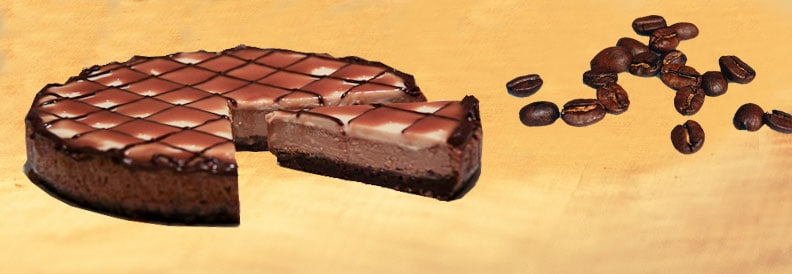
Coffee has a long history as a dessert ingredient. It pairs naturally with cream, and it’s practically made for chocolate; mocha frosting on a chocolate cake is proof enough of that. But when it comes to savory cooking, most home cooks and even a lot of chefs have barely scratched the surface of what coffee can do outside a mug.
Why coffee belongs in savory cooking
Coffee was once called “the wine of Islam” in the West when it was first introduced, and the comparison holds up better than you’d expect. Wine and coffee have both been studied extensively for their aromatic complexity, and by most counts coffee actually has more identified aroma compounds than wine, not fewer, largely thanks to the roasting process, which generates hundreds of additional flavor compounds through the same Maillard reaction that browns a seared steak. Wine pairing, choosing a specific bottle to bring out the best in a specific dish, is a respected culinary skill. Coffee deserves the same treatment, and it rewards it.
Matching coffee to food, the way you’d match wine
The wine analogy is genuinely useful here as a mental model. Coffee is strong and complex, with real overtones and undertones the way a good wine has, so it needs food that can stand up to it rather than get overwhelmed by it. That generally means dark meats: beef, pork, game, bacon, ham. Coffee is also excellent at deepening tomato-based sauces and barbecue rubs. Think of it as a spice you’re cooking with, not just a drink you’re pairing with the meal afterward.
The same red-wine-with-red-meat, white-wine-with-fish logic applies to coffee, in more ways than one. Dark-roasted, strongly brewed coffee suits beef and other red meats, where its rich, heavier flavor won’t get lost against the food. Lighter roasts work better with poultry and seafood, adding depth without overpowering more delicate flavors.
As you get more comfortable cooking with coffee, origin starts to matter too, the same way grape variety matters in wine. An Ethiopian coffee, for instance, tends to carry earthy, fruity, and winey undertones that can play beautifully against the right dish. The darker the roast, the more those origin-specific notes flatten out; lighter roasts preserve more of that character if you want to actually taste it in the finished dish.
Practical ways to use coffee in savory cooking
- Redeye gravy. Brew a strong cup and deglaze a pan of ham drippings with it for a classic Southern redeye gravy. Simple, fast, and a genuinely good introduction to savory coffee cooking if you’ve never tried it.
- Coffee-rubbed meat. Mix ground coffee with brown sugar, smoked paprika, chili powder, and salt for a rub that works especially well on brisket, pork shoulder, or steak headed for a smoker or grill. The bitterness balances the fat, and the char from the grill and the roast character of the coffee reinforce each other.
- Coffee in chili. Stir a shot of strong brewed coffee or a spoonful of espresso powder into chili in the last half hour of cooking. It deepens the color and rounds out the flavor without reading as “coffee” to most people at the table.
- Coffee-braised meat. Use brewed coffee as part of the braising liquid for beef short ribs or a pot roast, alongside your usual stock and aromatics. The bitterness mellows over a long braise and adds real depth you won’t get from stock alone.
- Coffee marinade. Combine strong coffee with a bit of oil, garlic, and spices as a marinade base for beef. The acidity helps tenderize while the roast flavor works its way into the meat.
- Coffee-infused oil. Warm oil gently with whole coffee beans for 15-20 minutes (don’t let it get hot enough to smoke), strain, and use the infused oil for finishing grilled or roasted dishes.
How far you can actually push coffee in savory cooking
If the suggestions above still feel modest, consider what happens when professional chefs are handed coffee as a competition ingredient with no limits. On an episode of Food Network’s Iron Chef America, coffee was the secret ingredient for a full one-hour battle, and the two competing chefs went well past a rub or a marinade: coffee-smoked scallops, a venison confit finished with coffee-infused oil, coffee-rubbed bacon, coffee-braised figs, even a coffee consomme. One judge asked, half-joking, whether anyone would actually just serve a cup of coffee that night. Nobody did. If coffee can carry an entire multi-course tasting menu including scallops and venison, a spoonful in your chili or a coffee rub on a pork shoulder is a modest ask by comparison.
Where coffee always works: dessert
Coffee and chocolate remain the most reliable pairing in cooking, coffee amplifies chocolate’s depth without competing with it, which is why mocha desserts work as well as they do. Beyond chocolate, coffee pairs naturally with caramel, hazelnut, cinnamon, and vanilla, all flavors that share some of the same roasted, warm character coffee itself has.
Our coffee recipes guide has specific recipes to start with, including a coffee tiramisu and a quick coffee affogato if you want a dessert that takes under two minutes.
Frequently asked questions
What meat pairs best with coffee?
Dark meats and red meat generally: beef, pork, game, and bacon all stand up well to coffee’s strength. Lighter roasts work with poultry and seafood if you want the pairing without overwhelming a more delicate protein.
Should I use brewed coffee or instant/espresso powder in cooking?
Either works, and the choice mostly comes down to how much liquid the recipe can absorb. Brewed coffee adds both flavor and liquid volume, useful in braises, gravies, and marinades. Espresso powder or instant coffee adds concentrated flavor without extra liquid, better for baked goods, rubs, and chili where you don’t want to thin the dish.
Won’t coffee make my food taste bitter?
Used in reasonable amounts, no. Coffee’s bitterness actually balances fat and sweetness the same way it does in a cup of coffee itself, which is why it works so well in rich braises and fatty cuts of meat. Overdo the quantity and yes, it can turn bitter, so start with less than you think you need and adjust from there.
Why this article changed
The original version of this page linked out to several external recipe sites that have since gone dark or moved. This rewrite replaces those with concrete, specific techniques you can use directly, and updates the coffee-versus-wine flavor-compound comparison with a more careful figure rather than a single, unverifiable exact count.
Discussion