
This article was last updated on September 21, 2025
When people think of premium Caribbean coffee, Jamaica Blue Mountain usually comes to mind. But there’s another island coffee that deserves your attention: Puerto Rican coffee. Specifically, coffee from the mountainous Yauco region that produces some of the smoothest, most distinctive beans in the Caribbean.
If you’ve never heard of Puerto Rican coffee beans, you’re not alone. Despite having one of the most interesting coffee histories in the Americas, Puerto Rico’s coffee industry remains relatively unknown outside coffee circles. That’s partly due to limited production and partly because most of what they grow stays on the island.
But if you can get your hands on authentic Yauco coffee, you’re in for a treat.
The Surprising History of Puerto Rican Coffee
Puerto Rico’s coffee story begins in the early 1800s with a group of immigrants from Corsica who fled political upheaval in Europe. When they arrived in Puerto Rico looking to farm, they were told the fertile valley lands were already taken. If they wanted to grow anything, they’d have to settle in the less desirable southwestern mountains around a small town called Yauco.
This turned out to be incredibly lucky. While the mountainous terrain wasn’t suitable for sugar cane or other tropical crops that made the island famous, it was perfect for coffee. The cool temperatures, high altitude, and specific climate conditions created ideal growing conditions for coffee plants.
By the 1860s, these Yauco coffee farms had become the dominant coffee producers on the island. More importantly, they maintained extremely high quality standards that allowed them to command premium prices in European markets.
The quality was so good that by the 1890s, Yauco coffee from Puerto Rico had become the standard that other Caribbean coffee regions tried to match. At its peak, Puerto Rico was the sixth largest coffee producer in the world, which is remarkable for such a small island.
When Everything Changed
Puerto Rico’s coffee golden age came to an abrupt end in 1898 when back-to-back hurricanes devastated the coffee crops and destroyed much of the infrastructure. While the growers were still recovering from this natural disaster, the United States took control of the island following the Spanish-American War.
This political change had enormous consequences for Puerto Rican coffee exports. European countries, which had been the primary markets for Yauco coffee, imposed high tariffs on products from the new U.S. territory. Meanwhile, existing U.S. trade agreements with Brazil made it difficult for Puerto Rican coffee to compete in the American market.
Faced with these economic challenges, most Puerto Rican farmers switched from coffee to sugar production, which had better market access and fewer trade barriers.
Modern Puerto Rican Coffee: Yauco Selecto
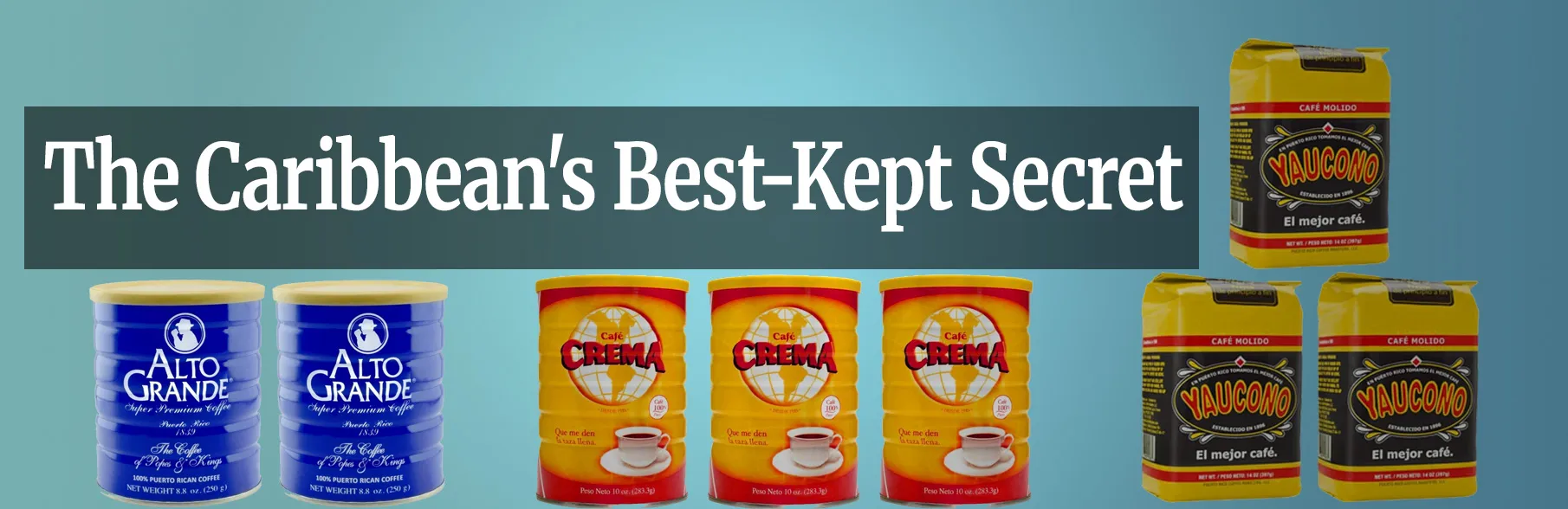
Today, Puerto Rican coffee production is much smaller than its historical peak, but the quality remains exceptional. The most well-known brand is Yauco Selecto, which continues the tradition of premium coffee from the original Yauco region.
Yauco Selecto coffee beans are more expensive than most Central and South American coffees, but there are good reasons for the higher price. Unlike coffee from countries with lower labor costs, Puerto Rican coffee farms pay workers living wages that meet U.S. standards. Additionally, strict environmental regulations increase production costs but result in coffee grown without chemical fertilizers or pesticides.
This sustainable approach to Puerto Rico coffee farming produces cleaner beans and helps preserve the island’s environment, but it also means higher prices for consumers.
What Does Puerto Rican Coffee Taste Like?
Puerto Rican coffee, particularly Yauco Selecto, fits the classic Caribbean coffee profile that many coffee lovers find irresistible. It’s smooth and low in acidity, with natural sweetness and what coffee experts describe as an almost buttery mouthfeel.
This flavor profile makes Puerto Rican coffee beans excellent for people who find other coffees too acidic or bitter. The smoothness also makes it versatile for different brewing methods, whether you prefer French press, drip coffee, or espresso.
The taste reflects the unique growing conditions in the Yauco mountains, where consistent temperatures, specific rainfall patterns, and mineral-rich soil create ideal conditions for developing complex but balanced flavors.
Where to Buy Authentic Puerto Rican Coffee
Finding genuine Puerto Rican coffee in the United States can be challenging since most production is consumed locally or exported in limited quantities. However, you can order authentic Yauco Selecto coffee online through Cafe Rico’s website, which specializes in Puerto Rican coffee beans.
When shopping for Puerto Rico coffee, be sure you’re getting the real thing. Some brands use “Puerto Rican style” labeling for coffee that’s actually grown elsewhere. Look for specific mentions of Yauco region or Yauco Selecto if you want the authentic experience.
Is Puerto Rican Coffee Worth Trying?
If you enjoy smooth, mellow coffees with low acidity, Puerto Rican coffee is definitely worth exploring. While it’s more expensive than mass-market coffee brands, it’s often less costly than other premium Caribbean coffees like Jamaica Blue Mountain.
The combination of historical significance, sustainable farming practices, and distinctive flavor profile makes Puerto Rican coffee a unique addition to any coffee lover’s rotation. Plus, since it’s relatively unknown, serving Puerto Rican coffee to guests is a great conversation starter.
The Bottom Line
Puerto Rican coffee represents one of the Caribbean’s best-kept coffee secrets. While the island’s coffee industry never fully recovered from the hurricanes and political changes of 1898, what remains produces exceptional quality beans that showcase the unique terroir of the Yauco mountains.
For coffee enthusiasts looking to explore beyond the usual options, Puerto Rican coffee offers a taste of history and a glimpse into what made this small island one of the world’s major coffee producers over a century ago.
1 Comment
Could you recommend some Yauco estate coffees? All the ones I’ve had have come from the mountains north of there around Lares.