
Affiliate disclosure: As an Amazon Associate, TalkAboutCoffee earns from qualifying purchases. Our picks are based on editorial judgment, not commission rates.
How to make French press coffee: the quick recipe
- Ratio: 1:15 (about 30 g coffee to 450 ml / 15 oz water). Adjust to taste.
- Grind: coarse, like sea salt or coarse breadcrumbs. Anything finer makes muddy coffee.
- Water: 195 to 205 F (90 to 96 C), about 30 seconds off the boil. Boiling water over-extracts.
- Time: 4 minutes, no more. Push the plunger slowly. Pour all the coffee out immediately so it stops extracting.
- Best beans: medium to medium-dark roast, freshly ground.
- Preheat the press: fill the empty carafe with hot tap water while you grind, then dump it just before adding the grounds. Cold glass drops your water 10 F before brewing even starts.
For other no-power brewing methods (cowboy coffee, pour-over, moka pot, cold brew), see our guide to brewing coffee without electricity, or our side-by-side comparison of all six methods. For step-by-step detail and 15 common questions answered, read on.
For years, I thought I was pretty good at making French press coffee. I’d dump some grounds in, pour hot water over them, wait a few minutes, and press down the plunger. Sometimes it tasted great, sometimes it was bitter as all get-out, and sometimes it was so weak I wondered if I’d forgotten to add coffee altogether. I figured that was just how French press worked – unpredictable results were part of its rustic charm.
Turns out I was doing almost everything wrong. The French press isn’t actually that forgiving, and those inconsistent results weren’t charming – they were preventable. Once I learned the proper technique, my French press coffee became reliably delicious instead of a daily gamble.
Why French Press Gets Such a Bad Rap
Most people’s first experience with French press is either at a diner where it’s been sitting around for hours, or they try making it themselves without understanding the basics. The result is often over-extracted, bitter coffee that tastes like it could strip paint. This gives French press a reputation for producing harsh, undrinkable coffee.
But when done right, French press coffee is rich, full-bodied, and has more complexity than most other brewing methods. The metal mesh filter lets through oils and fine particles that paper filters remove, giving you a heavier, more textured cup. It’s completely different from drip coffee – not better or worse, just different.
The key is understanding that French press is actually a precision brewing method disguised as a simple one. Every variable matters more than you’d think.
Choosing the Right Coffee Beans
This is where a lot of people go wrong before they even start brewing. French press works best with medium to dark roast coffee because the longer extraction time can make light roasts taste sour and underdeveloped. The immersion brewing method pulls out more of the coffee’s characteristics, so you want beans that can handle that intensity.
I’ve had the best luck with medium-dark roasts that have chocolatey or nutty flavor notes. Colombian, Brazilian, and Guatemalan coffees tend to work really well. Avoid anything labeled as “bright” or “citrusy” unless you specifically want that acidity emphasized.
Single-origin coffees can be amazing in French press, but blends are often more forgiving if you’re still perfecting your technique. The roaster has already balanced the flavors for you, which gives you more margin for error.
The Grind Size Game Changer
Here’s probably the biggest mistake I was making: using the wrong grind size. I thought “coarse” meant any grind that wasn’t powder-fine, so I was using something closer to medium grind. The result was always over-extracted, bitter coffee.
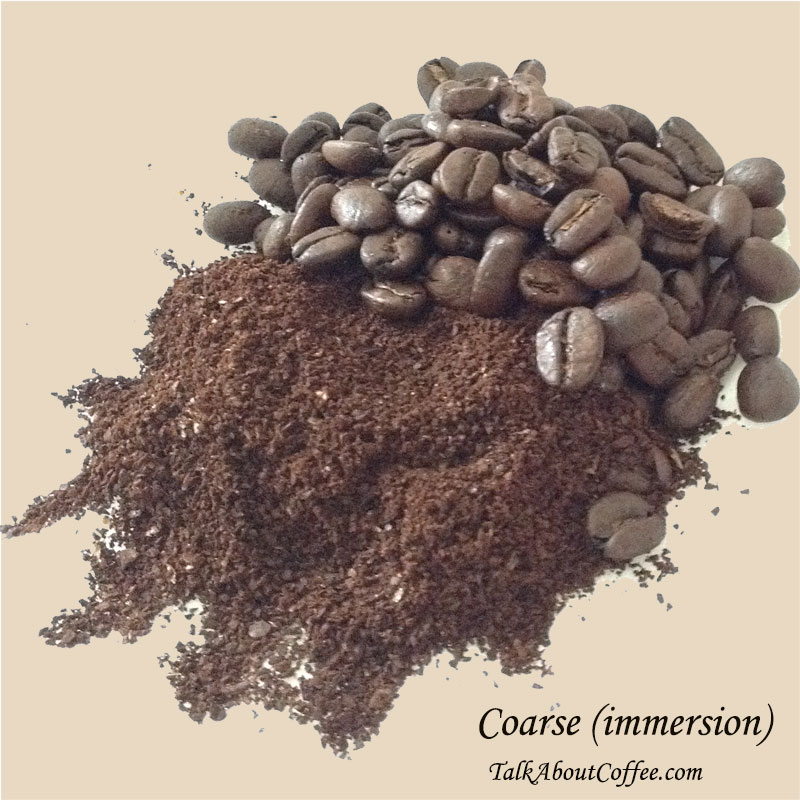
True coarse grind for French press should look like coarse sea salt or breadcrumbs. If you can still see the individual bean structure in some pieces, that’s about right. The grind should be consistent – lots of fine particles mixed with big chunks will give you muddy, uneven extraction.
If you’re buying pre-ground coffee, most “coarse” grinds from the store are actually too fine for French press. You’re better off grinding your own if possible, even with a basic blade grinder. Just pulse it in short bursts to avoid creating too much dust.
Water Temperature: Not as Hot as You Think
Boiling water is too hot for French press coffee. I know this goes against intuition; hotter water should extract more flavor, right? But water that’s too hot will over-extract the coffee, pulling out bitter compounds that overwhelm everything else.
The ideal temperature is between 195°F and 205°F. If you don’t have a thermometer, bring water to a boil, then let it sit for about 30 seconds before pouring. The water should be hot enough that you can see it steaming, but not actively bubbling.
I learned this lesson when I started paying attention to water temperature and suddenly my coffee stopped being bitter all the time. It was one of those “why didn’t anyone tell me this?” moments.
The 4-Minute Rule (And When to Break It)
Four minutes is the standard steeping time for French press, and it’s a good starting point. But it’s not carved in stone, and different coffees might need slight adjustments.
Start timing when you finish pouring the water, not when you first add coffee. After four minutes, press the plunger down slowly and steadily. Don’t rush this part – pressing too fast can create turbulence that makes your coffee muddy.
If your coffee consistently tastes weak, try extending the brew time to 4.5 or 5 minutes. If it’s always bitter, try shortening it to 3.5 minutes. Small adjustments can make a big difference.
The Coffee-to-Water Ratio That Actually Works
Most French press instructions tell you to use a 1:15 or 1:16 ratio, which translates to about 1 gram of coffee for every 15-16 grams of water. In practical terms, that’s roughly 2 tablespoons of coffee for every 6 ounces of water.
But I’ve found that most people prefer something a bit stronger, closer to 1:12 or 1:13. This gives you a fuller-bodied cup without being overwhelming. For a standard 34-ounce French press, I use about 55-60 grams of coffee, which is roughly 8 tablespoons.
The key is being consistent once you find a ratio you like. Eyeballing it every time is a recipe for inconsistent results.
Preheat the Press (The 30-Second Step Most Recipes Skip)
Here’s a step the original version of this article missed for years, until a longtime reader (hat tip to Carl May, 2012) pointed it out: you want to preheat the carafe before brewing. A room-temperature glass press will drop your 200 F water by about 10 degrees the moment it touches the walls, and that’s enough to push you below the 195-205 F range where French press extracts cleanly.
The fix takes 30 seconds. While you’re grinding the beans, fill the empty press with the hottest water from your tap (or with the first water from your kettle as it’s heating). Let it sit while you grind. Right before you add the coffee, dump the water out. Now the glass is warm, and your brewing water stays in the right temperature range from the first pour through the four-minute steep. This is standard practice per the Specialty Coffee Association brewing guidance, and it makes a noticeable difference in extraction consistency.
The Pouring Technique Nobody Talks About
How you add the water matters more than most people realize. Don’t just dump all the hot water in at once. Start by adding just enough water to wet all the grounds – about twice the weight of the coffee. Let this “bloom” for 30 seconds, then add the rest of the water slowly.
This blooming step lets the coffee release CO2, which can interfere with extraction if you don’t give it a chance to escape. You’ll actually see the coffee puff up and then settle back down.
When you add the remaining water, pour it in a slow, steady stream, trying to wet all the grounds evenly. Give it a gentle stir with a wooden spoon to make sure everything is saturated, then put the lid on with the plunger pulled all the way up.
Two pieces of gear do more for French press coffee than any technique tweak: a burr grinder, because a blade grinder cannot give you the even coarse grind this method depends on, and a press with a decent filter screen, since a worn or loose screen is the usual reason for sludge in the cup.
How to make French press coffee, step by step
- Heat the water to 195 to 205 F (90 to 96 C). No thermometer? Boil it and wait about 30 seconds.
- Grind coarse, roughly the texture of sea salt. Weigh about 30 g for 450 ml of water, a 1:15 ratio.
- Preheat the press with a splash of hot water, swirl, tip it out. Thirty seconds, and it keeps the brew temperature stable.
- Add grounds, then pour to roughly double their volume. Wait 30 seconds for the bloom, then top up with the rest.
- Lid on, do not plunge yet. Set a timer for 4 minutes.
- Press slowly, taking 15 to 20 seconds. Forcing it stirs up fines and muddies the cup.
- Pour every drop out immediately. Coffee left on the grounds keeps extracting and turns bitter.
Troubleshooting Common Problems
Bitter Coffee: Usually means over-extraction. Try a coarser grind, cooler water, or shorter brew time. Also check your coffee-to-water ratio – too much coffee can also create bitterness.
Weak, Sour Coffee: Under-extraction. Try a finer grind, hotter water, or longer brew time. Make sure you’re using enough coffee.
Muddy, Gritty Coffee: Your grind is too fine, or you pressed the plunger too fast. French press will always have some sediment, but it shouldn’t be gritty.
Inconsistent Results: Usually a grind consistency problem. Invest in a better grinder if possible, or at least try to be more consistent with your blade grinder technique.
People sometimes ask about electric French presses, the kind with a heating base that boils the water for you. That category has almost disappeared, and it is worth knowing why electric French presses vanished and what replaced them before you go hunting for one.
French Press vs Other Methods
French press produces a completely different style of coffee than drip or espresso. Drip coffee is cleaner and brighter because the paper filter removes oils and fine particles. Espresso is concentrated and intense because of the pressure and fine grind.
French press coffee is full-bodied and rich, with more texture and complexity. It’s not better or worse than other methods – it’s just different. Some coffees work better in French press, while others shine in pour-over or espresso.
The advantage of French press is that it’s relatively foolproof once you understand the basics, and it doesn’t require expensive equipment or perfect technique like espresso does.
And then there is the percolator, which sits closer to French press in the body-and-strength spectrum but is the right tool for a completely different scenario: brewing for a crowd. A stovetop percolator scales to 8 to 12 cups easily; an electric urn handles 30 to 100 cups. If French press is the daily home cup, the percolator is the camping trip, the church coffee hour, and the office breakfast. Our guide to making perfect percolator coffee walks through the technique, including the one step most owners skip that ruins the cup.
The Cleanup Reality
Let’s be honest, French press cleanup is kind of annoying. The metal filter traps grounds, and rinsing it out can be messy. But here’s a tip that changed my life: add a little hot water to the press after you pour out the coffee, swirl it around to loosen the grounds, then dump everything into your compost bin or trash.
Never put coffee grounds down your kitchen drain. They’ll clog your pipes faster than you can say “expensive plumber visit.”
Making It Part of Your Routine
The beauty of French press is that most of the work happens while you’re waiting. Once you get the routine down, it takes about the same amount of active time as making drip coffee, but the results are much more interesting.
I make French press on weekend mornings when I have time to pay attention to the process and really taste the coffee. For rushed weekday mornings, I stick with my automatic drip maker. Both have their place, and understanding when to use each method has made my coffee routine much more enjoyable.
Perfect French press coffee isn’t about expensive equipment or complicated techniques. It’s about understanding a few key principles and being consistent with your approach. Once you nail down the basics, you’ll wonder why you ever settled for inconsistent results.
15 Most Common French Press Questions & Answers
Q: How long should French press coffee steep?
A: 4 minutes is ideal. Longer than 5 minutes risks bitterness, shorter than 3 minutes gives you weak coffee.
Q: Why is my French press coffee muddy?
A: Your grind is probably too fine. Use coarse grounds like sea salt, and don’t press the plunger all the way down. Stop when you feel resistance.
Q: What’s the right coffee-to-water ratio for French press?
A: Start with a 1:15 ratio: about 30g coffee to 450ml water, or roughly 2 tablespoons coffee per 6 oz water. Adjust to taste.
Q: Should I use boiling water in my French press?
A: No, let boiling water cool for 30 seconds. Aim for 195-205°F (90-96°C). Too hot burns the coffee and makes it bitter.
Q: How do I avoid bitter French press coffee?
A: Don’t over-steep (stick to 4 minutes), use water that’s not too hot, and make sure your grind isn’t too fine. Also, clean your press regularly.
Q: Can I make French press coffee stronger without making it bitter?
A: Use more coffee grounds instead of steeping longer. Try a 1:12 ratio instead of 1:15, or use a darker roast.
Q: Why does my French press coffee taste weak?
A: Either your grind is too coarse, you’re not using enough coffee, or your water isn’t hot enough. Try a slightly finer grind first.
Q: How do I clean my French press properly?
A: Disassemble completely and wash all parts with warm soapy water. Deep clean weekly with baking soda to remove coffee oils that cause bitterness.
Q: Can I reheat French press coffee?
A: You can, but it won’t taste great. French press coffee is best enjoyed fresh. If you must reheat, use low heat and don’t let it boil.
Q: Should I stir French press coffee while it’s brewing?
A: Give it one gentle stir after adding water to ensure all grounds are saturated, then leave it alone. Too much stirring can over-extract.
Q: How coarse should I grind coffee for French press?
A: Think sea salt or breadcrumb consistency. If you’re buying pre-ground, look for “coarse” grind specifically labeled for French press.
Q: Can I use regular ground coffee in a French press?
A: Regular store-bought ground coffee is usually too fine and will make muddy, over-extracted coffee. Coarse grind works much better.
Q: How much coffee does a French press make?
A: It depends on size. A standard 34oz press makes about 4 cups, but measure your actual press since sizes vary between brands.
Q: Why does my French press plunger get stuck?
A: Usually because the grind is too fine or you’re pressing too hard. Use coarse grounds and press slowly with steady, gentle pressure.
Q: How long can I leave coffee in a French press?
A: Don’t leave it sitting. The coffee keeps extracting and gets bitter. Pour it out within 5-10 minutes of brewing, or transfer to a thermal carafe.
Have a French press question we didn’t answer? Drop us a comment below! We love helping fellow coffee lovers troubleshoot their brewing, and your question might help others too.
Discussion 36
Where can I find a stainless steal French press? Not glass.
Very useful.
I make French press coffee all the time and I don’t use coarsely ground coffee I use find green because I grind the beans myself and it is delicious
You can also use your french press to make a Toddy (low acid, high caffeine, cold brewed coffee).
First, pour in cold, filtered water to press.
Add ground beans. (I use 1/2 cup of ground beans for 4 cups of water)
Tap the coffee down a little to wet it, but don’t stir it in.
Cover with press lid, but don’t push it down.
Wait 12 to 24 hours, then push down to separate grinds.
Try 1 part cold coffee concentrate to 2 parts water or milk to start, and adjust from there. Very smooth! Warning: because the beans are soaking in the water for so long, there is a LOT of caffeine!
There are some fundamental errors on this advice on making French Press coffee.
1) The press itself should be pre-heated: filled with the hottest water and emptied just after grinding your whole beans, then the grounds are poured into the press, followed as soon as possible with water from the kettle.
2) Water from the kettle should be monitored with a probe thermometer (much easier to use than a candy type), and the temperature should be at about 206-8 degrees then pour into the press. The air hitting the water will cool the temp. to about 204-205 degrees F. Make sure there are no gorunds ABOVE the plunger or you will get grounds in your brew…a common error.
3) You want the ENTIRE brew cycle to remain at between 195-205 degrees F because at that heat only then will all the flavors release from the gounds and into the hot water (this is per the Specialty Coffee Association of America’s well-tested advice..see the website).
4) The advice here is a 3 minute steep, but the standard is four minute steep before pouring, and some experts recommend waiting 1.5 minutes before stirring instead of one minute, others recommend stirring as soon as you pour, so experiment with steep-time and stir-time to find the best taste for YOU.
4) Press SLOWLY to avoid agitating the grounds and encouraging the inevitable “fines” to intermix with the brew (“fines” are tiny coffee particles that exist regardless of the quality of your burr grinder).
The BIGGEST mistake so many newbies make is that they buy their french press then just go to the supermarket and buy a can or bag of ground coffee. It doesn’t work. That coffee is ground too fine. This is why you HAVE to grind the coffee yourself using a burr grinder. The burr grinder grinds the coffee COARSE for use in the french press.
I’m a barista at a coffee bar and I see this happen all the time. People will come in and say “how come it’s so hard for me to press the plunger down? It won’t move”
2 cups of water (hot) to 3 level’ish’ tablespoons makes a wicked cup of french press coffee that most tastes approve. If I want a stronger cup I’ll add 4 T or let it brew a good 5 minutes. I use an imported Italian roast, add a dash of salt to course ground beans (because my Gramma says so) and if I want to get crazy… I dash some nutmeg and cinnamon… try it : )
I have never tasted such smooth taste in a cup of coffee such as brewed in a french press.
Thanks, fellow coffee drinkers for tips and pointers.I’ve drank press coffee before but have never made my own. Just used my table-top stainless steel French press for the first time. Pretty good tasting coffee. Used Kona coffee beans,wonderful, full-bodied taste. But next time will heat the water more. I like HOT coffee!
Fanny, on first glance, it sounds like your grind may be too fine which precludes the liquid from passing easily through the grounds. If this doesn’t work, perhaps your screen is plugged. The screen (and pot) should be completely cleaned each and every time to mitigate bitterness.
fellow french press addict here and I need some assistance. occasionally my plunger will simply not want to move. can’t seem to get to the common denominator. any help appreciated. thanks.
A French press is a great way to make loose-leaf tea as well. Use the press instead of a teapot. Caution: best to use a separate press for tea as some flavored coffees can contaminate the plunger and your tea will wind up tasting like coffee. One thing that no one addresses is how much water the coffee grounds absorb. I haven’t figured it out or measured but if you put in 16oz of water, you will not have 16oz of coffee. Also, instructions say that when making iced tea, make a strong cup of tea and pour over ice. Usually they suggest putting the amount of tea you’d use for 2 cups in one cup of water and pouring over ice. French press coffee is so robust, you can just make it the way you normally would and pour over ice and it tastes great! On occasion, I’ve been sweetening my coffee with maple sugar and it is yummy! Have you noticed that the Caffeine buzz is way extreme! Love it!
I use a stainless steel press, I got sic of the glass ones breaking and clean-up is a snap. I have read not to wash the pot or plunger with soap and water, but just to rinse them with plain hot water. I did this and what an oily nasty mess! I find that washing the pot and plunger with soap and water and rinsing thoroughly is the way to go; there’s no soapy taste. Good to be able to talk about coffee.
Greetings, coffee lovers! Thanks for the instructions. I had to look it up for a review since I have been doing the brew thing for years now for convenience and time limits. This is the best way to brew (French press) that is. Oh, Jason I do enjoy talking about coffee also. I’ve tried several brands and blends, and I always come back to “COLUMBIAN”. I get the beans and grind fresh. I have found that Eight O’Clock gas the absolute best flavor and aroma. A little sugar or stevia and half and half and mua! “Se Magnifique!”
Hi all. It’s nice to find a place to talk about coffee. When I talk about it in my circles they give me a funny look. I get the old coffee is coffee. That’s what I deal with. Any way I am a Starbucks guy, but I’m looking for others for my press can you recommend your favorite brand.
Hey Brenda, the water/bean ratio for a press isn’t the same as for a perc.
For a press: 1 rounded tablespoon per 4oz.
Electric Perc: 1 tbsp per 8oz.
You can adjust more or less for taste. I personally don’t round the scoops, I level them because I enjoy slightly weaker coffee. I just drink for the taste.
I am confused too. I do not want to sound like an idiot so…
The general rule is one tablespoon for 4 ounces of water but I measured and I would have to put like 6 tablespoons for the equivalent of 4 cups (in a regular coffee maker) and when I make coffee in a coffee maker for myself I use just one tablespoon for 4 cups of water… If I follow the correct instructions in my french press I would have to use a lot of coffee and my question is: would that taste right? Will it be too strong?
I do not know anymore… that’s why I stopped using my press cause I just couldn’t figure the coffee water ratio.
Okay, this morning I prepared my coffee in the press and used what I normally use for my coffee maker and the coffee was weak hahahaha. So I guess the process is not the same that is why you have to use that much coffee…
I’ve never really been a huge fan of coffee if it wasn’t from Starbucks or a coffee shop. After using a French Press, I’ll never go back to anything different! It’s so smooth and mmm, amazing!
mm good coffee… if its too fine, nothing wrong with a little bean in your brew either, drink more, its good.
Yes, but what is the ratio of coffee to water? How much coffee for 6 oz of water?
Susan, I’ve also taken a liking to Kicking Horse Coffee. I’m on my third can of the ‘Three Sisters’ blend, thinking about branching out to another blend. Which one(s) would you recommend?
MMMMMmmmm French press coffee really is lovely. I recommend you try (if you want some really nice roasts) Kicking Horse Coffee (roasted in Golden BC) – and OsoNegro (Black Bear) (roasted in Nelson BC) . . . I was in Nelson visiting my son a week ago and you could not find a bad cup of coffee anywhere! I’m sure you can find either on-line and I have seen Kicking Horse Coffee in Health Food Stores and some supermarkets. It’s pricey – but YOU GET WHAT YOU PAY FOR. If you try it – let me know how you like it.
From what I’ve read on several sites, you don’t have a need to “press” down on the coffee grounds once they are in the bottom – you’re not trying to squish anything out of the. The press simply filters the grounds out of the coffee by “pressing” them to the bottom.
Today is the first time that I have used a French Press and I am a little confused. I made a pot with approx 20 oz of water, however the plunger does not completely reach the bottom of my pot to put any pressure on the grinds– which is the whole idea behind a French Press. Can someone please tell me where I’m going wrong? If the plunger can’t reach the bottom, what is the point? I’d rather use a percolator. Am I missing something? If anyone has some advice please let me know.
Kevin, you’re probably just using too fine a ground. Fine grounds will just push their way through the metal mesh of the filter when you plunge it down. Also happens if you plunge too quickly.
I am definately a coffee geek. It’s been said that a press will produce the best tasting cup possible. So I bought one. Before using it I read the ‘How tos’ on a couple of different sights,and followed each step precisely. The final product tastes very good, but it has a foggy look to it, not clear which is what I identify with a good brew. Is that foggy look normal, or am i doing something wrong?
I told my grown children that extensive traveling would provide beneficial mental stimulus to my 62-year-old brain, and it has. This morning was my first encounter with a coffeemaker the likes of which I have never seen. After examining it, I decided to google “how to make coffee in…” and came across the words “French press”. AHA, my old brain thought. That must be it! So then I found “How to make Wonderful Coffee in a French Press”. WOW! I have to get one of these when we return home…it is the smoothest, most delicious coffee I have EVER had…in 40 years of coffee drinking. Thank You!!
I have tried to like coffee for years but could not. I bought a bodum French Press last week and I cant believe how wonderful the coffee is. I use Eight o Clock decaff and it tastes like coffee smells and very very smooth. No one who has tried it knew it was decaf.
I wish I had been drinking press coffee earlier. This is far smoother than drip coffee. My wife got me a small bodum for the office, now I want a large one for home!
I’ve been using a press for several years and recently my son bought me a bodum “travel mug” press to use at work. I can now have great coffee at work!
I have just recently started using a french press for my coffee, and I got blown away. I am now addicted to my press and coffee that tastes good.
Coffee has a smoother taste in a press.
so many types to make a coffee but one of the best press means french press.
Is it the same process and coffee-to-water ratio for espresso in a french press?
I dismantled electric coffee maker and the tubes that push water into the coffee pot had tons of bugs in it. I had to find a coffee maker that made me aware of what was in the coffee.
it’s like the warning on the plastic lids of to-go coffee cups– designed to help people that are probably too stupid to read it in the first place.
they don’t want you shattering your press, the glass can get fragile when heated. just be careful. speaking of heating the press, your coffee will be greatly improved if you preheat your press with a small amount of near-boiling water previous to adding the grind.
I just got my first press. I thought it was the best coffee I have had. I do have a question though. I followed the method stated but used a metal spoon before I noticed it said not to. My question is why does it matter if you use a metal spoon when you put a metal plunger into the coffee anyway?