

Affiliate disclosure: As an Amazon Associate, TalkAboutCoffee earns from qualifying purchases. Our picks are based on editorial judgment, not commission rates.
Cold brew in one box
- Ratio for concentrate: 1:5 by weight. About 100 g (1 1/3 cups) of coffee to 500 ml (17 oz) of water. Dilute 1:1 with water or milk to serve.
- Ratio for ready-to-drink: 1:8. About 60 g (3/4 cup) of coffee to 500 ml (17 oz) of water. Pour straight over ice.
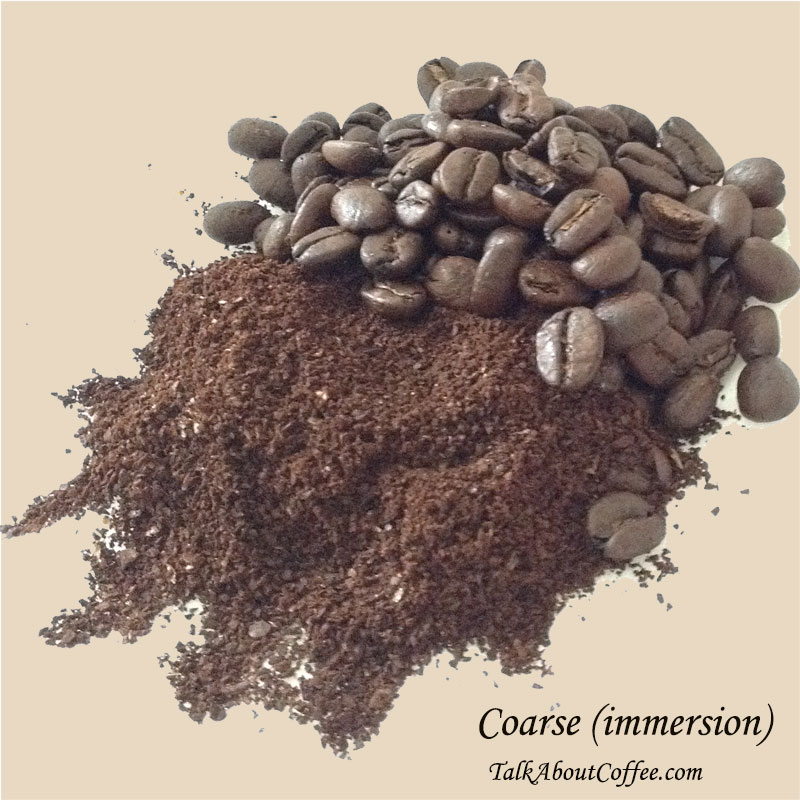
- Grind: coarse, like raw sugar or coarse sea salt. NOT fine. Fine grind makes muddy, over-extracted cold brew and clogs your filter.
- Time: 12 to 24 hours in the refrigerator, or 12 to 18 hours at room temperature. Longer is stronger, up to a point; past 24 hours you extract woody, dusty flavors.
- Equipment: none required. A mason jar or pitcher, a spoon, and something to strain through (fine sieve plus cheesecloth, or a paper filter). A French press also works perfectly.
- Storage: concentrate keeps 7 to 10 days refrigerated. Diluted cold brew keeps 2 to 3 days.
Once you have a batch, our cold brew cocktails roundup covers what to do with it, our five facts piece covers the chemistry, and our cold brew overview covers why it stuck around. If you’re comparing it against hot brew methods, our full brew method comparison covers all six side by side.
I made my first batch of cold brew in 2012 with a recipe a lot like the one that used to live on this page: finely ground coffee, six hours in the fridge, strain through cheesecloth. The result was drinkable but muddy, with sediment in every glass and a flat, slightly dusty finish. It took me an embarrassing number of batches to learn that almost everything about that recipe was backwards. Cold brew wants a coarse grind, not fine. It wants 12 to 24 hours, not 6. And the straining is nearly effortless when the grind is right, because coarse grounds do not slip through a filter the way fine ones do.
This article originally ran in 2011, early enough in the American cold brew wave that the technique had not standardized yet. The rewrite below is the current method: the one coffee shops use scaled down to a kitchen, with the ratios in both weight and volume, and the troubleshooting for the three ways homemade cold brew usually goes wrong.
Why cold brewing works (and what it actually does)
Hot brewing extracts everything fast: the sugars and aromatics you want, plus the bitter compounds and acids that come along at high temperature. Cold water extracts selectively and slowly. It pulls the sugars and the chocolatey, smooth flavor compounds efficiently but leaves a large share of the acidic and bitter compounds in the grounds. The result measures meaningfully lower in titratable acidity than the same coffee brewed hot, which is why cold brew tastes sweet and smooth without any sugar added, and why people with sensitive stomachs often tolerate it better than hot coffee. (If acidity is your main reason for being here, our low-acid coffee guide covers the full landscape, and our coffee and acid reflux piece covers the medical side.)
The trade-off is time and caffeine math. Cold brew takes hours instead of minutes, and because most recipes produce a concentrate, the caffeine per serving can be substantially higher than drip coffee if you do not dilute. A 8 oz / 240 ml glass of undiluted cold brew concentrate can carry 200 mg of caffeine or more, versus 80 to 100 mg for the same volume of drip. Dilute accordingly, especially in the afternoon.
Method 1: The mason jar method (no equipment)
This is the method to start with, because it requires nothing you do not already own and it produces the same quality as dedicated equipment.
- Grind coarse. 100 g (about 1 1/3 cups) of coffee at a coarse setting, like raw sugar. If you buy pre-ground, ask for coarse or French press grind. Standard drip grind is too fine and will make your batch muddy.
- Combine in a large jar or pitcher. Add 500 ml (17 oz) of cold or room-temperature water for concentrate, or 800 ml (27 oz) for ready-to-drink strength. Filtered water if your tap tastes off.
- Stir until every ground is wet. The grounds will float back up; that is fine. What matters is no dry pockets.
- Cover and wait. 12 to 24 hours in the refrigerator, or 12 to 18 hours on the counter. Refrigerated brewing is slower and slightly cleaner-tasting; room temperature is faster and slightly fuller-bodied. Both work.
- Strain twice. First through a fine-mesh sieve to catch the bulk of the grounds, then through a paper coffee filter or a double layer of cheesecloth for the fine sediment. With a coarse grind, this takes a few minutes; with a fine grind, the filter clogs and you wait forever (which is how the old version of this article made cold brew miserable).
- Store covered in the refrigerator. Concentrate keeps 7 to 10 days. Taste it at day 1 and day 5 sometime; it actually rounds out and improves over the first couple of days.
Method 2: The French press method (easiest cleanup)
If you own a French press, you own a cold brewer. Same ratios as the mason jar method: coffee and water in the press, stir, lid on with the plunger pulled all the way up, 12 to 24 hours in the fridge. When it is done, press the plunger slowly and pour through a paper filter to catch the fines the metal screen misses. The press handles the bulk straining for you, which makes this the lowest-cleanup version of the no-equipment approach. (If you are new to the French press itself, our French press guide covers the hot side.)
Method 3: The Toddy system (the dedicated classic)
The Toddy T2N Cold Brew System has been the standard dedicated home cold brewer since long before the cold brew boom. It is a large brewing bucket with a thick reusable felt filter and a glass decanter: you brew a full pound (450 g) of coffee at once, pull a stopper, and the concentrate drains through the filter into the decanter below. No pouring through cheesecloth, no clogged filters, and the batch size (about 1.4 L of concentrate) covers a week or two of daily drinking. Our Toddy T2N review covers it in detail. Worth it if you drink cold brew daily; unnecessary if you batch occasionally, because the mason jar produces the same cup.
Method 4: Japanese slow-drip (the showpiece)
Slow-drip cold brew (Kyoto-style) is a different process from immersion. Instead of steeping grounds in water, a tower drips ice-cold water through a bed of grounds one drop at a time, typically 35 to 40 drops per minute, over about 4 hours. The cup is lighter, more aromatic, and more tea-like than immersion cold brew, with more of the delicate flavors and less of the heavy chocolate body. The towers themselves, like the Hario Water Dripper and the similar Yama glass towers, are genuinely beautiful glassware that doubles as kitchen sculpture. They are also fussy, expensive, and slow, which is why slow-drip stayed a cafe spectacle while immersion became the home standard. Try slow-drip at a specialty cafe before buying a tower; the difference is real but it is a refinement, not a revolution.
Ratios, strength, and the concentrate question
Cold brew recipes are usually expressed as coffee-to-water ratios by weight. The three standard strengths:
- 1:5 (concentrate): 100 g coffee to 500 ml water. Dilute 1:1 with water, milk, or ice before drinking. This is what most cafes and bottled concentrates use, and the most storage-efficient way to batch.
- 1:8 (ready to drink): 60 g coffee to 500 ml water. Drink as-is over ice. Closest to the strength of iced drip coffee.
- 1:4 (strong concentrate): for milk-heavy drinks like iced lattes where the milk does the diluting. Strong enough that a small pour flavors a tall glass.
If you do not own a kitchen scale: 1 cup of coarse-ground coffee weighs roughly 75 to 85 g depending on the roast. The old version of this article called for 1 cup of coffee to 40 oz (1.2 L) of water, which lands around 1:14, which explains why that recipe needed fine grind to taste like anything. Use the modern ratio with a coarse grind instead; the cup is cleaner and the straining is painless.
What beans to use
Cold brewing flattens bright, acidic flavor notes and amplifies chocolate, caramel, and nut tones. Medium and medium-dark roasts from Brazil, Colombia, and Indonesia shine; delicate light-roast Ethiopians mostly waste their floral complexity in a cold steep. This also means cold brew is forgiving of cheaper beans: a $9 bag of supermarket medium roast makes notably good cold brew, because the technique hides the flaws hot brewing exposes. Our whole bean picks include several bags that batch well.
Troubleshooting
- Muddy, gritty cold brew: grind is too fine, or you skipped the second strain. Go coarser and finish with a paper filter pass.
- Weak, watery cold brew: ratio too thin (use 1:5 to 1:8 by weight, not eyeballed scoops), steep time too short, or grind too coarse to extract. Fix the ratio first; it is the usual culprit.
- Bitter or woody: steeped too long. Past 24 hours, extraction keeps going and pulls dusty, woody flavors. Cap at 24 in the fridge, 18 at room temperature.
- Sour or thin: under-extraction. Steep longer (toward 18 to 24 hours), or grind one notch finer while staying in coarse territory.
- Goes flat or stale within days: store as undiluted concentrate, tightly covered, and dilute per glass. Diluted cold brew oxidizes faster; concentrate keeps 7 to 10 days.
A note on nitro
Nitro cold brew is regular cold brew infused with nitrogen gas and poured through a stout-style tap, which gives it the cascading pour and creamy mouthfeel of a draft Guinness. The base liquid is exactly what you make with the methods above. Home nitro setups (whipped-cream dispensers with nitrogen chargers, or mini kegerators) exist and work, but they are an enthusiast purchase. The coffee itself does not change; only the texture does. Our cold brew overview covers where nitro fits in the bigger picture.
Frequently asked questions
Is cold brew the same as iced coffee?
No. Iced coffee is hot-brewed coffee served over ice; cold brew never touches heat. Iced coffee keeps the brightness and acidity of hot brewing; cold brew is smoother, sweeter, and lower in acid. Both are good and they are different drinks. Our iced coffee guide covers the hot-brewed side, including the Japanese flash-brew method that splits the difference.
How long should cold brew steep?
12 to 24 hours in the refrigerator, 12 to 18 at room temperature. Under 12 hours tastes thin and sour; past 24 hours turns woody. If you need a single number: 16 hours in the fridge, started after dinner and strained the next morning, suits most schedules and palates.
What grind should I use for cold brew?
Coarse, like raw sugar or coarse sea salt. The same grind you would use for a French press, or one step coarser. Fine grinds over-extract even in cold water, slip through strainers, and clog filters. If your cold brew has ever come out muddy, the grind is almost always why.
Does cold brew have more caffeine than regular coffee?
Per ounce of concentrate, yes, roughly double drip strength. Per properly diluted serving, it lands in the same range as drip coffee or slightly above. The catch is that people often drink concentrate without diluting it, which is how a casual afternoon glass becomes 200+ mg of caffeine. Our caffeine guide has the full comparison numbers.
How long does cold brew keep?
Undiluted concentrate keeps 7 to 10 days refrigerated in a sealed container. Once diluted, drink within 2 to 3 days. Cold brew does not go stale the way hot coffee does (no heat means slower oxidation), which is one of its quiet advantages: you brew once and drink all week.
Can I heat cold brew to drink it hot?
Yes. Dilute concentrate with hot water straight from the kettle (about 1:1) and you get a hot cup that keeps cold brew’s low acidity. It will taste smoother and less aromatic than fresh hot-brewed coffee. People with acid sensitivity often settle on exactly this routine: one batch of concentrate, hot in the morning, iced in the afternoon.
Why this article changed
The original 2011 version of this page recommended finely ground coffee and a 6 to 8 hour steep, which was a common early-wave recipe and is now firmly outdated: fine grinds are why early homemade cold brew was muddy, and short steeps are why it was thin. The technique standardized in the years since (coarse grind, 1:5 to 1:8 by weight, 12 to 24 hours), and this rewrite reflects the current method along with the troubleshooting, the bean guidance, and the nitro context that did not exist when the original was written. If you have a batch question the article does not answer, leave a comment; the thread is open.
Discussion