
How to Grow Your Own Coffee Plant at Home: A Realistic Guide

A young coffee plant with green leaves growing in a pot at home, illustrating home coffee cultivation

I have a Coffea arabica plant on my kitchen windowsill in southern New Jersey. It is four years old, three feet tall, and produced exactly fourteen coffee cherries last year. Fourteen cherries yielded roughly enough green coffee for half a cup. The cup itself was not great. But the project, of growing the entire bean-to-roast chain from a single seed in a $9 pot, was worth doing once just to understand what every step in commercial coffee production actually requires.

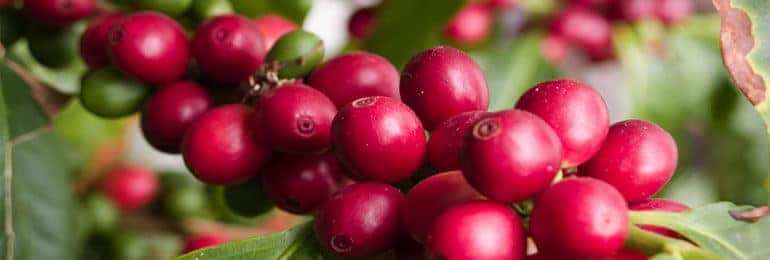
You can grow coffee at home. You probably won’t make a meaningful amount of drinkable coffee. The plant itself is a beautiful tropical shrub with glossy dark green leaves, fragrant white flowers, and red cherries that look like cranberries on a small tree. It’s a great houseplant. Whether it’s a great agricultural project depends entirely on what you’re trying to get out of it.

Here is what I’ve actually learned from four years of growing one, and what you should know before you order seeds.

What coffee plants actually need

Coffee is a tropical understory shrub, native to the highlands of Ethiopia and the Yemeni mountains. In the wild it grows beneath taller trees that provide dappled shade, in volcanic soil at elevations between 600 and 2,200 meters (2,000 to 7,200 feet), in temperatures that stay between 60 and 75°F (15-24°C), with annual rainfall of 60 to 80 inches.

You probably do not have these conditions. I do not have these conditions. What we have is “approximately these conditions” through some combination of indoor climate control, careful watering, and the plant’s surprising tolerance for being abused. Coffee plants will survive in conditions well outside their ideal range. They just won’t necessarily fruit reliably.

The non-negotiables are: never let the plant freeze (a single night below 32°F (0°C) will kill it), keep humidity above 50 percent if possible, keep the soil moist but not waterlogged, and give it indirect bright light rather than direct sun. Direct mid-day sun will scorch coffee leaves the same way it scorches a houseplant.

Arabica or robusta

Two species are commercially viable: Coffea arabica and Coffea robusta. If you want a chance at flavor that resembles the coffee you actually drink, plant arabica. Robusta is hardier and easier to grow but produces a harsher, more bitter cup that most home growers find disappointing relative to the effort.

Arabica is what 60-70 percent of commercial coffee is, what every single-origin specialty bag at your local roaster is, and what tastes like coffee should taste like. There are dozens of arabica varietals (Typica, Bourbon, Caturra, Catuai, SL28, and the Geisha that some Panamanian farms have made famous), but for home growing you’ll usually just see “Coffea arabica” without varietal specification at most nurseries. That’s fine. Save the varietal hunt for after you’ve successfully grown one.

Growing from seed (slow but instructive)

This is the project for the patient. Fresh coffee seeds (still inside the cherry, or with the silver skin attached) have the highest germination rate. Green coffee beans from a home-roasting supplier (the kind you buy to roast at home) can germinate, but the rate drops to maybe 1 in 50 after a few months in storage. The longer the green beans have been off the tree, the lower your odds.

If you can find a vendor selling fresh coffee seeds for planting (some online specialty nurseries like Logee’s and Stokes Tropicals stock them seasonally), that’s the way. Otherwise, fresh green beans from a roaster that just received a shipment from origin give you better odds than year-old beans from a warehouse.

The germination process:

  1. Soak the seeds in room-temperature water for 24 to 48 hours. Discard any that float (they’re not viable).
  2. Plant the soaked seeds about 1.5 inches deep in vermiculite or a light seed-starting mix. Use a real pot, not a small seedling tray. Coffee plants set a deep taproot quickly and resent transplant.
  3. Cover the pot with plastic wrap or a clear plant tent to hold humidity.
  4. Keep the soil moist but not soggy. Watering once every two or three days is usually right.
  5. Wait. Sprouts emerge anywhere from 30 to 90 days after planting. About 60 days is typical.

The “gooseneck” sprout, where the seed lifts out of the soil on a curved stem and the seed coat slowly falls off, is one of the more satisfying things to watch in plant propagation. It also takes another three to four months from sprout to anything that looks like a small tree.

Growing from cuttings (faster if you have access to a plant)

If you know someone with a coffee plant, this is dramatically more reliable than starting from seed.

  1. Take a cutting from a healthy stem about 3/16 to 5/16 of an inch in diameter. Choose a cutting with at least two leaves.
  2. Remove one of the two leaves entirely. Cut the second leaf in half (this reduces water loss while the cutting roots).
  3. Dip the cut end in rooting hormone powder for 15 seconds.
  4. Plant immediately in moist, light growing medium (a perlite-vermiculite mix works well).
  5. Cover with a clear polyethylene tent or bag.
  6. Keep in moderate shade at room temperature.
  7. Roots develop in four to six weeks. Open the tent gradually once new growth appears.

Buying a mature plant (the practical option)

This is what I did, eventually, after losing patience with seedling roulette. A three to four year old nursery plant in a 1-gallon pot runs $25 to $60 from specialty tropical-plant suppliers. The plant arrives at roughly three feet tall, ready to flower in its next spring. You save three years of waiting and you get a plant that has already survived the period when coffee seedlings die for no obvious reason.

Reliable US sources for live coffee plants include Logee’s Greenhouses, Stokes Tropicals, and several Southern Florida growers who ship nationally. Henry Fields and Gurney’s, which used to be common recommendations, have inconsistent availability now.

Day-to-day care

Once your plant is established, the maintenance is mostly attention rather than effort.

  • Water: Keep the soil consistently moist but not waterlogged. Coffee plants drop leaves when they’re underwatered, and the leaves don’t come back. I water mine about every four days during summer and once a week in winter, but the right answer is to stick a finger in the soil and water when the top inch is dry.
  • Light: Bright indirect light. East-facing or north-facing windows work well. South-facing direct sun will burn the leaves. If your plant outgrows its window, supplement with a grow light.
  • Fertilizer: Coffee plants are heavier feeders than most houseplants. A balanced 10-10-10 fertilizer at half strength, every two weeks during spring and summer, once a month in fall and winter, is a reasonable schedule.
  • Repotting: Every two to three years, into a pot one size larger. Coffee plants resent root disturbance, so do it during early spring and water deeply afterward.
  • Humidity: Higher is better. Group your plant with other tropical houseplants, use a humidifier in dry winters, or set the pot on a tray of pebbles in water (without the pot bottom touching the water).
  • Pruning: Pinch the growing tip when the plant reaches your desired height. This encourages branching and keeps it manageable. Untipped coffee plants want to grow into 10-15 foot trees.

What can go wrong

The most common failures, in order of how often I see them happen:

  • Cold damage. Anything below 50°F (10°C) stresses the plant. Anything below 32°F (0°C) kills it. Don’t leave it on a porch in autumn.
  • Sunburn. Direct mid-day summer sun bleaches the leaves brown. Move it to indirect light.
  • Underwatering. The plant goes from “fine” to “every leaf falling off” in about four days during a hot week. Keep the soil consistently moist.
  • Overwatering. Coffee roots rot in soggy soil. The plant looks fine until it suddenly doesn’t, with yellowing leaves and stem darkening at soil line. Drainage matters.
  • Spider mites. The most common pest indoors, especially in dry winter air. Misting and a stronger humidity routine usually controls them. If they get established, neem oil works.
  • Iron deficiency. Coffee plants need iron and magnesium more than most houseplants. Yellowing leaves with green veins is the signal. A liquid micronutrient supplement fixes it within two weeks.

From flower to cup (the slow part)

If your plant is happy, it will eventually flower in spring. Coffee flowers are small, waxy, white, and intensely jasmine-scented for the two or three days they last. Each flower pollinates itself (coffee is self-pollinating in cultivation) and develops into a small green berry. The berry takes nine months to ripen from green to yellow to bright red.

A mature, well-cared-for coffee plant in a 5 to 10 gallon pot can produce 2 to 10 pounds of dried green coffee per year. My plant is well below that range because it’s in too small a pot and I’ve under-fed it. To put the math in perspective: a pound of dried green coffee yields roughly 0.85 pounds of roasted coffee, which makes around 30 cups depending on how strong you brew. A mature plant in ideal conditions is a real cup-producing project. A houseplant arabica is more of a “I grew this one cup over the course of nine months” project.

To process the cherries you do harvest:

  1. Wait until the cherry is fully bright red. Picking too early gives sour, underdeveloped beans.
  2. Squeeze the cherry between your fingers. The two seeds (or one, in peaberry varieties) pop out.
  3. Soak the seeds in water for 24 to 48 hours. This is the fermentation step that loosens any remaining mucilage and develops some of the flavor. Any seeds that float during this step are not viable; discard them.
  4. Rinse the seeds thoroughly.
  5. Dry them on a screen or paper for one to two weeks until they’re hard and rattle when shaken. Outdoor sun-drying works in summer; a dehydrator at low temperature works year-round.
  6. Once dry, remove the parchment-like outer skin by hand-rolling or with a coffee huller (a tedious process at home; just expect to spend an hour for 14 cherries).
  7. You now have green coffee, ready to roast.

A reality check before you start

If your goal is “drink coffee I grew myself,” your best path is a mature nursery plant in the largest pot you can manage, kept in conditions as close to tropical as you can sustain, and the expectation that you’ll get a handful of cups per year after five to seven years of work. The coffee will probably not be as good as the $20 specialty bag from your local roaster.

If your goal is “have a beautiful, slow-growing, surprisingly forgiving tropical houseplant that occasionally produces cool red fruit,” coffee is an excellent houseplant and worth growing. The flowering is genuinely lovely. The cherries are conversation pieces. The whole project teaches you more about commercial coffee production than any number of articles could.

Mine is currently sitting two feet from where I’m writing this, with three small green cherries on its lower branches. It will be January before they ripen. I’ll probably get six cups of mediocre coffee from this year’s harvest, and I’ll enjoy them more than any other coffee I’ll drink in 2026. That has very little to do with how the coffee actually tastes.

Written by

Founder

Daniel Pylip founded TalkAboutCoffee in 2006 after he got hooked trying to master the espresso machine that turned up in his office one morning. Eighteen years and 200+ machines later, he writes the equipment reviews, brewing guides, and practical home-barista pieces that anchor the site.

  • Vickie Hicks

    I do have a question though. All Ideas for growing Coffee Beans , is that for all flavors of coffeee.

  • John B

    I live in Ontario Canada and have grown 5 Arabica trees from red been from Cuba. all germinated and are 11 months old and doing great. Replanting soon, and we are facing southwest with great sun all winter, I will try and clone these trees after a few years

  • john musielewicz

    amazing how a few centuries of expansionism change the world. The coffee bush (a.k.a. tree) is originally a semi-arid plant, well suited for growing in cooler temperate climates. It needs to be protected from frigid weather until well grown but it pretty much will grow anywhere as you can tell by its use in the tropics where it has too much moisture and grows whay too tall. You can chuck beans out and they’ll pretty much grow anywhere.

  • Fateye A Olugbenga

    Hi, I just want to venture into coffee growing to start from home. cant you pls educate me on how to begin?

  • Hailegebriel Asmare

    Hello, I live in Addis Ababa Ethiopia(East Africa)I have access to raw green unroasted coffee beans that I can’t specify the point of cultivation for the latest stock due to lack of ICT devt.I know nothig how to grow coffee from any source but I want to prepare seedlings & plant it outside on my plot of land when it gets bigger. So,considering this please!please!please!help me people by any piece of detail & comments how to grow & takecare seedlings & prepare cultural organic homemade compost.Thanks & God bless you all

  • David

    well thanks alot for the msge, how can we control the pest that dries coffee trees in africa?

  • Adam

    What is a good site to buy coffee beans from ?

  • shane pendexter

    i have 12 kona coffee plants growing in norhern
    maine(in door).they are a year and a half old and doing pretty good.all i use is compost and miracle-gro.

  • deanna maich

    Weed Warning: The Coffee Tree is a highly attractive small tree very well suited to the subtropical and tropical regions. The layer of seedlings underneath any coffee tree is a clear indication of its germination potential and the bright red sweet coffee berries are a delight for the birds. The bulging coffee industry in Northern NSW has caused some alarm about the potential for this fruit to be a damaging weed in the future. Should you seek to grow your own coffee, we recommend netting the tree and removing the tree is you cease to harvest the berries.

  • John Shapiro

    Where does someone get the coffee seeds or plants ?

  • Scott

    Hi, I’ve been searching the net but haven’t found a coffee plant which is ready to produce. Does anyone have any recommendations on where I can purchase one?

    Thank you.

  • Brian Costigan

    Hi, I bought two coffee bean trees in large pots,, I have planted one in to the earth, seems ok, the other still in pot, not really sure what to do, both have had green beans but what do I do with them?, and which is best way to grow them?, your assistance much needed please

  • Laura

    I’ve managed to grow a plant from a bean, but it’s been a few months now and my plant has no leaves! The best way to describe what it looks like is chives – i.e. about 10-15 long thin chive-like stems. The plant seems healthy enough and the stems are growning up to nearly a foot long, but what can I do to prompt leaf growth?

  • Don

    I have a coffee tree with red beans on it. How do I know when the beans are ripe and when to pick them?

  • Mike

    First get some pestaside and firtlizer. Then cut off th bad leaves and add the firtilizer. If it doesn’t work i don’t no what to tell you.

  • Caren

    I have a coffee bean tree that seems to be sick. It has had a mealy bug problem in the past and now the leaves are turning black on the edges. Any suggestions?