

Affiliate disclosure: As an Amazon Associate, TalkAboutCoffee earns from qualifying purchases. Our picks are based on editorial judgment, not commission rates.
Better coffee at home is mostly about controlling five things: the beans you buy, how you store them, when you grind them, what grind size you use, and how clean you keep your equipment. None of these require expensive gear; they require attention. Five steps below cover each one with the specifics most home brewers miss.
1. Start with coffee that’s actually fresh
Coffee starts losing flavor the moment it’s roasted, and the curve is steep. A specialty roast is at peak quality within 5 to 14 days of the roast date, drinkable for about 4 weeks, and substantially flat by 2 months. Supermarket coffee in a can is usually 3 to 12 months past roast by the time you buy it; you can’t recover that.
What to look for when buying:
- A printed roast date on the bag. Not a best-by date or sell-by date, a roast date. Every reputable specialty roaster does this now. If you can’t find a roast date, the coffee is probably old.
- Bought direct from the roaster, or from a store with high turnover. Online direct-from-roaster orders typically ship within 1 to 3 days of roasting. The dedicated coffee shop on the corner usually moves stock weekly. Supermarket shelves do not.
- A growing-region or single-origin label, not just a country. “Colombian” tells you almost nothing. “Colombian Huila washed natural medium roast” tells you something useful. Our single-origin coffees guide covers what the major regions taste like and what to look for.
- Whole bean if you can grind at home, otherwise ground for your specific brew method. Pre-ground coffee labeled “for drip” is too coarse for espresso and too fine for French press. Buy whole bean if you have any kind of grinder.
2. Store the beans correctly (the rules are simpler than the internet says)
There’s a lot of confusing advice floating around about freezing, refrigerating, vacuum sealing, and special canisters. The actual rules are short:
- Store whole beans, not ground. Ground coffee stales 4-6x faster than whole beans.
- Use an airtight, opaque container. Light, heat, and oxygen are the three things degrading coffee. Light and oxygen are easier to block than heat, so opacity and seal matter more than where you put it.
- Room temperature, away from the stove and any sunny windowsill. A pantry shelf or a kitchen cabinet works fine.
- Buy 2 weeks’ worth at a time. A 12-ounce bag yields roughly 24 cups. For a daily drinker, that’s about 12 days. Beyond that, even properly stored beans start to fade.
- Don’t refrigerate. The temperature swings cause condensation, which destroys the beans.
- Freezing is fine for long-term storage, but only if you portion first. Split into 1- or 2-week portions, vacuum-seal or use heavy zip bags with the air pressed out, then freeze. Once you take a portion out, don’t refreeze it. Best practice is to keep your “in use” bag in the pantry and only dip into the freezer when you’re switching to the next portion.
3. Grind right before you brew
Ground coffee stales within hours, not days. Even with a sealed canister, ground coffee at 24 hours old is noticeably flatter than coffee ground 30 seconds before brewing. The single biggest quality upgrade most home coffee setups can make is fresh-grinding.
What kind of grinder to buy:
- Burr grinder, ideally. Burrs crush coffee between two abrasive surfaces, producing uniform particles. Uniform particles brew evenly. $50-100 buys a workable electric burr grinder; $150-300 buys a serious one. Our grinder buying guide covers current picks at every price point, and if you’d rather skip owning two separate machines, our grind and brew coffee maker guide covers the combined option.
- Blade grinder if a burr is out of budget. Blade grinders chop unevenly (some particles are dust, others are big chunks), but blade-ground fresh coffee still beats pre-ground coffee from a bag. Pulse in short bursts and shake between bursts for slightly more even results.
- Manual hand grinder as a low-budget burr option. A Hario Slim Coffee Grinder runs about $40 and uses conical ceramic burrs, the same engineering as machines costing 10x more. The catch is you crank it by hand for 60-90 seconds per cup. Many people find it meditative; others find it tedious.
4. Use the right grind size for your brew method
Grind size controls how fast water flows through the coffee bed and how much flavor gets extracted. Too fine for your method and the water sits too long, over-extracting bitter compounds. Too coarse and the water runs through too fast, under-extracting and leaving you with a sour, weak cup.
The five common grind sizes look like this:
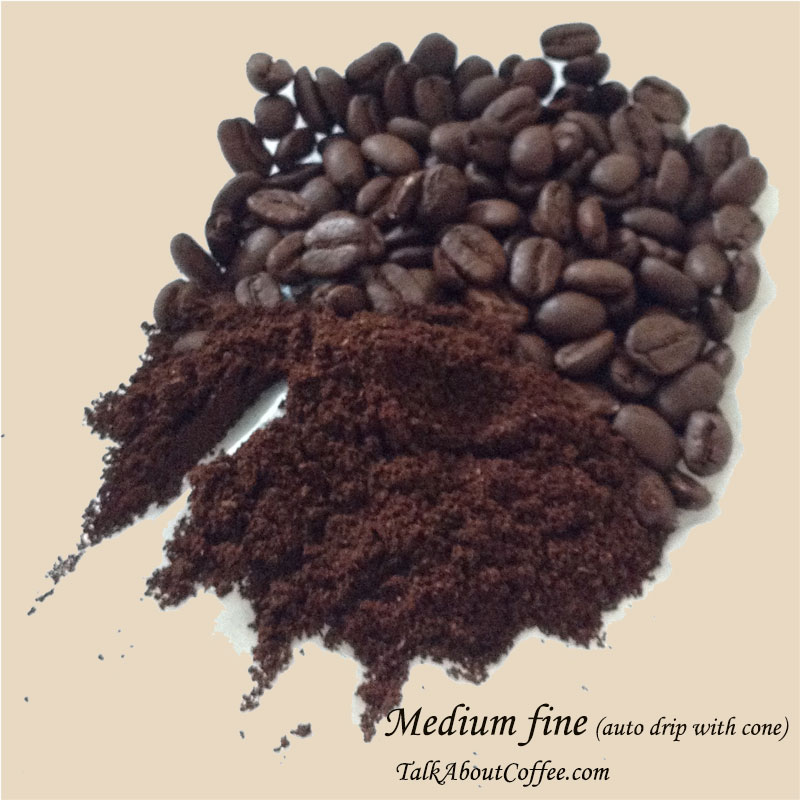
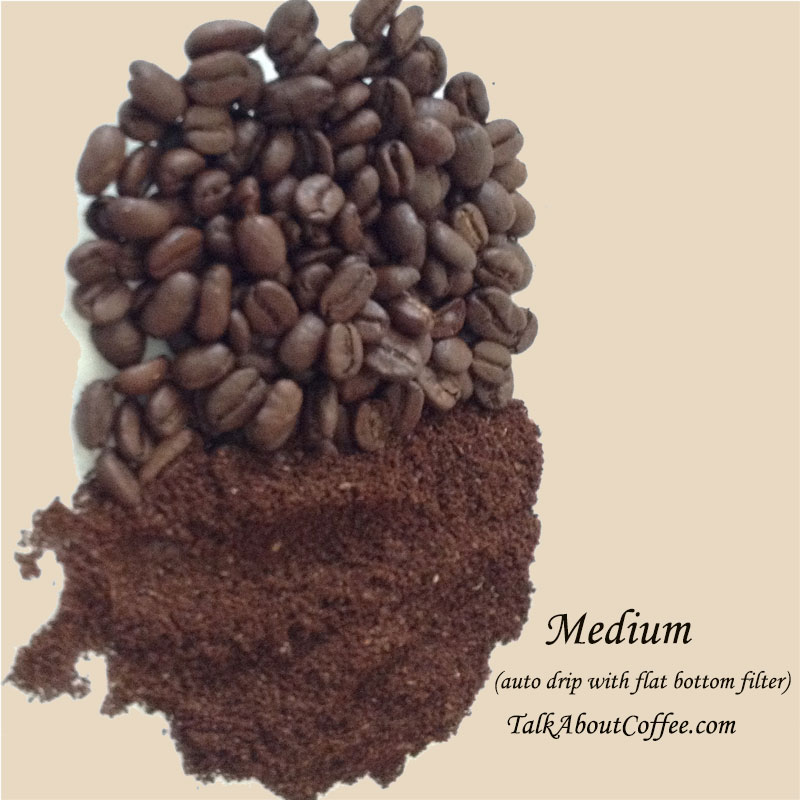
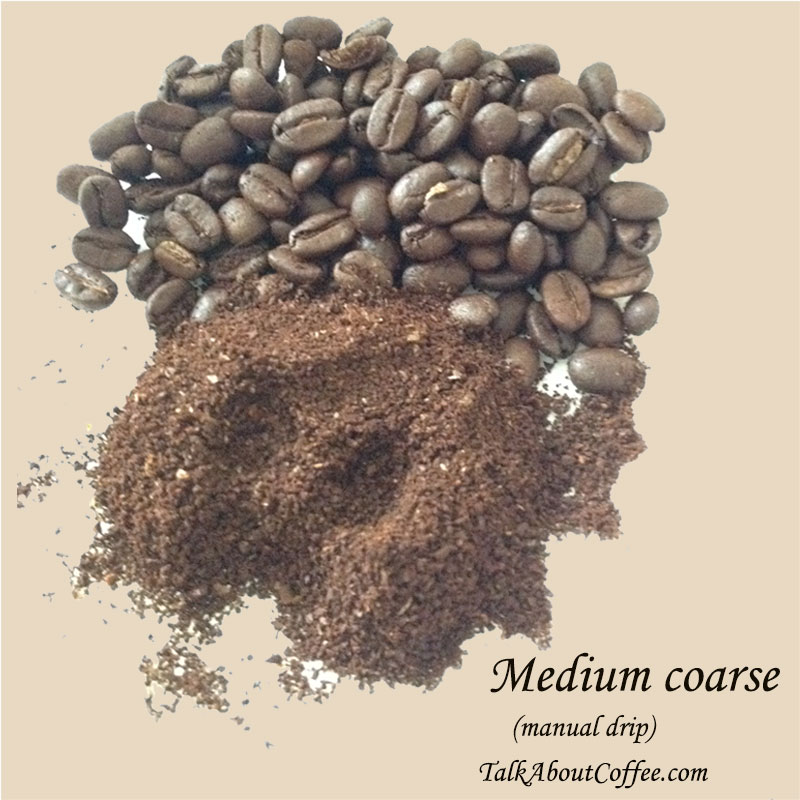
2.jpg)

Match the grind to the brewer:
| Brewer Type | Grind Size |
|---|---|
| Immersion (French press, Eva Solo, cupping) | Coarse, like kosher salt |
| Manual Drip (Bee House Ceramic Coffee Dripper, Hario V60, Chemex) | Medium-coarse, like beach sand but a little grittier |
| Auto Drip with Flat Bottom Filter (Mr. Coffee, Bonavita, OXO) | Medium, like beach sand |
| Auto Drip with Cone Filter (Zojirushi 5-cup cone, Technivorm, most modern drip machines) | Medium-fine, like granulated sugar |
| Espresso | Fine, like confectioner’s sugar (caked when squeezed) |
If your coffee tastes weak or sour, try a finer grind. If it tastes bitter or astringent, try coarser. The grind adjustment is the single biggest lever you have for fine-tuning extraction without buying new equipment.
5. Keep your equipment clean
This is the step most home brewers ignore, and it’s the one that wrecks more cups than any other. Coffee oils cling to every surface they touch. They go rancid within days. Old rancid oils mix into every subsequent brew, no matter how good your beans are.
What to clean and how often:
- The carafe and brew basket: after every brew. Hot water and a quick wipe is fine for daily use. Once a week, soap and a brush.
- The showerhead (drip machines): once a week. The underside of the showerhead, where water disperses over the grounds, collects a surprising layer of coffee residue. Wipe it down with a damp cloth.
- The full machine descale: monthly. Run a cycle with white vinegar diluted 1:1 with water (or commercial descaler), followed by 2-3 plain-water cycles to rinse. This dissolves mineral buildup that affects both temperature and flow. Hard-water regions need this more often.
- Espresso machine portafilter and screen: every few brews. Coffee oils build up faster in espresso machines because of the pressure. Backflush if your machine supports it; otherwise scrub the screen with a soft brush and rinse the portafilter basket with hot water.
- Grinder: monthly. Coffee dust accumulates in the grinder chamber. Some grinders have brush-out routines; for others, grind a small amount of plain rice (specialty grinder-cleaning tablets work too) to lift oils off the burrs.
Quick-fix priorities if you can only change one thing
If you’re going to change one habit this week, make it #3 (grind right before you brew). Fresh-grinding does more for cup quality than any other single change. Step #1 (fresh beans) is a close second, but it requires changing where and how you shop, which is a bigger commitment.
If you’re already doing #1 and #3 and your coffee still tastes off, work backward through #2 (storage), #4 (grind size), and #5 (cleaning) in that order. One of them is almost always the culprit.
Frequently Asked Questions
Why does my home coffee taste worse than coffee shop coffee?
Usually two reasons: the beans are older than the shop’s beans, and the brew temperature is lower. Coffee shops typically use beans within 7-14 days of roast and brew at 195-205F. Most home drip machines run at 180-185F, which under-extracts and produces sour, weak coffee. If your beans are fresh and your coffee still falls flat, check the brewer’s actual temperature with a thermometer.
Is a burr grinder really worth the cost?
Yes, if you drink coffee daily. Burr grinders produce uniform particles that brew evenly; blade grinders chop unevenly, causing some grounds to over-extract while others under-extract. The taste difference is significant. Entry-level electric burr grinders start around $50; manual hand grinders start around $40. Either pays for itself in cup quality within a month or two.
How do I know if my coffee is stale?
Three signs: weak aroma when you open the bag, no bloom when you bloom-pour hot water over fresh-ground coffee (no bubbles or rising), and a flat or “cardboard” taste in the cup. Stale coffee is still safe to drink, just disappointing.
Does the water I use matter?
Yes, more than most people realize. Coffee is 98 percent water by volume. Tap water with strong chlorine or mineral taste will come through clearly in the cup. Filtered water (a Brita pitcher, or a built-in filter) is enough for most home brewers. Distilled water is too soft (under-extracts) and should be avoided.
What about the water temperature?
Specialty Coffee Association standards specify 195-205F for the entire brew. Most cheap drip machines run cold (180F or lower); SCA-certified machines hold the right temperature throughout. If you’re hand-pouring (French press, V60), heat water to a boil and let it rest for 30 seconds before pouring; that lands you in the right range.
How long should brewing take?
French press: 4 minutes. Pour-over: 3-4 minutes total contact time. Auto drip: usually 5-6 minutes for a full pot. Espresso: 25-30 seconds for a double shot. If your method runs significantly faster or slower, your grind is probably wrong: faster usually means coarser, slower usually means finer.
The bottom line
Better coffee at home isn’t about expensive gear. It’s about respecting the variables that actually matter: bean freshness, storage, grind timing, grind size, and equipment cleanliness. Most home brewers fix beans and grinders but skip cleaning and water temperature, then wonder why their coffee plateaus. Work through all five steps and your cups will get noticeably better within a week.
Discussion